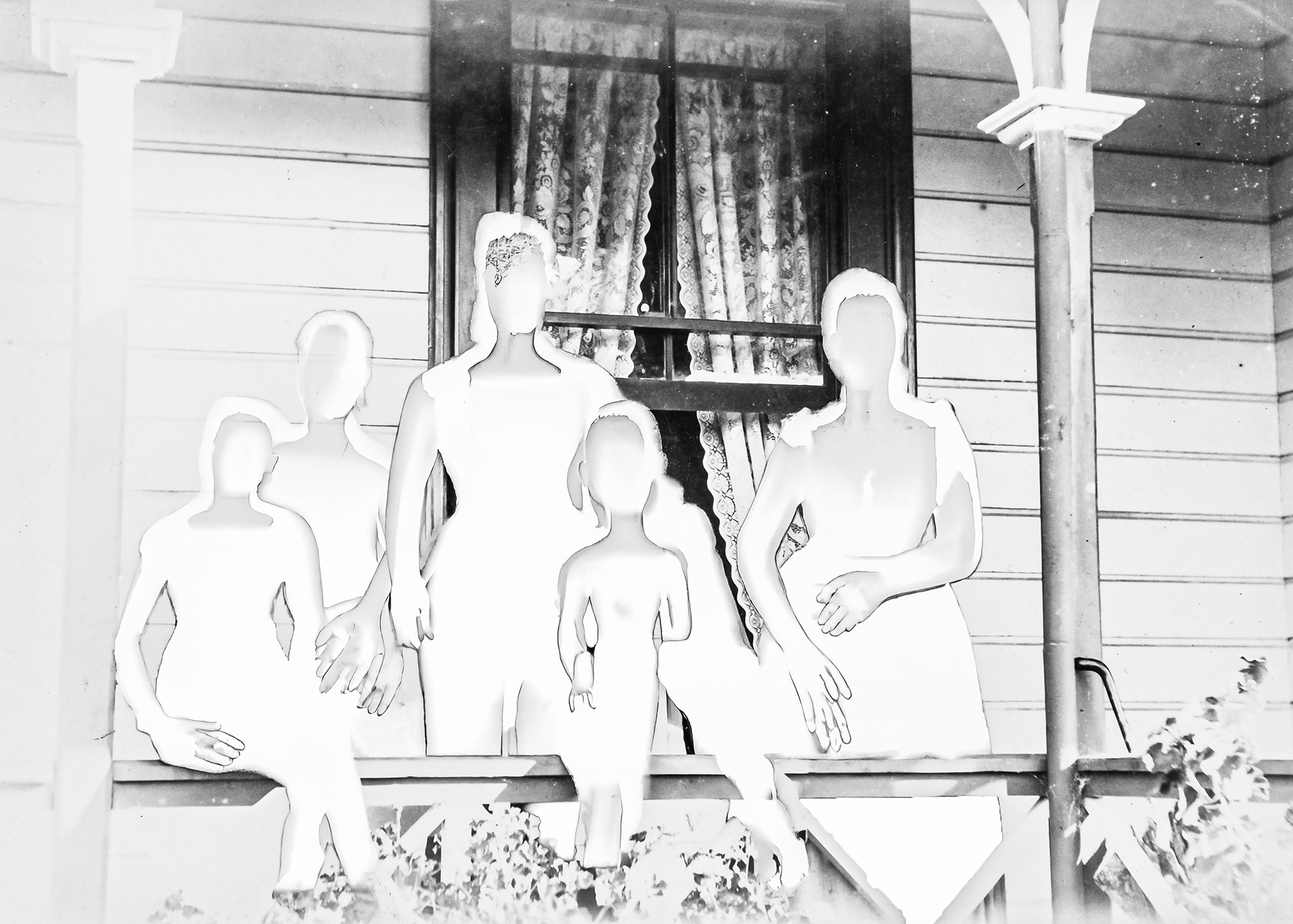
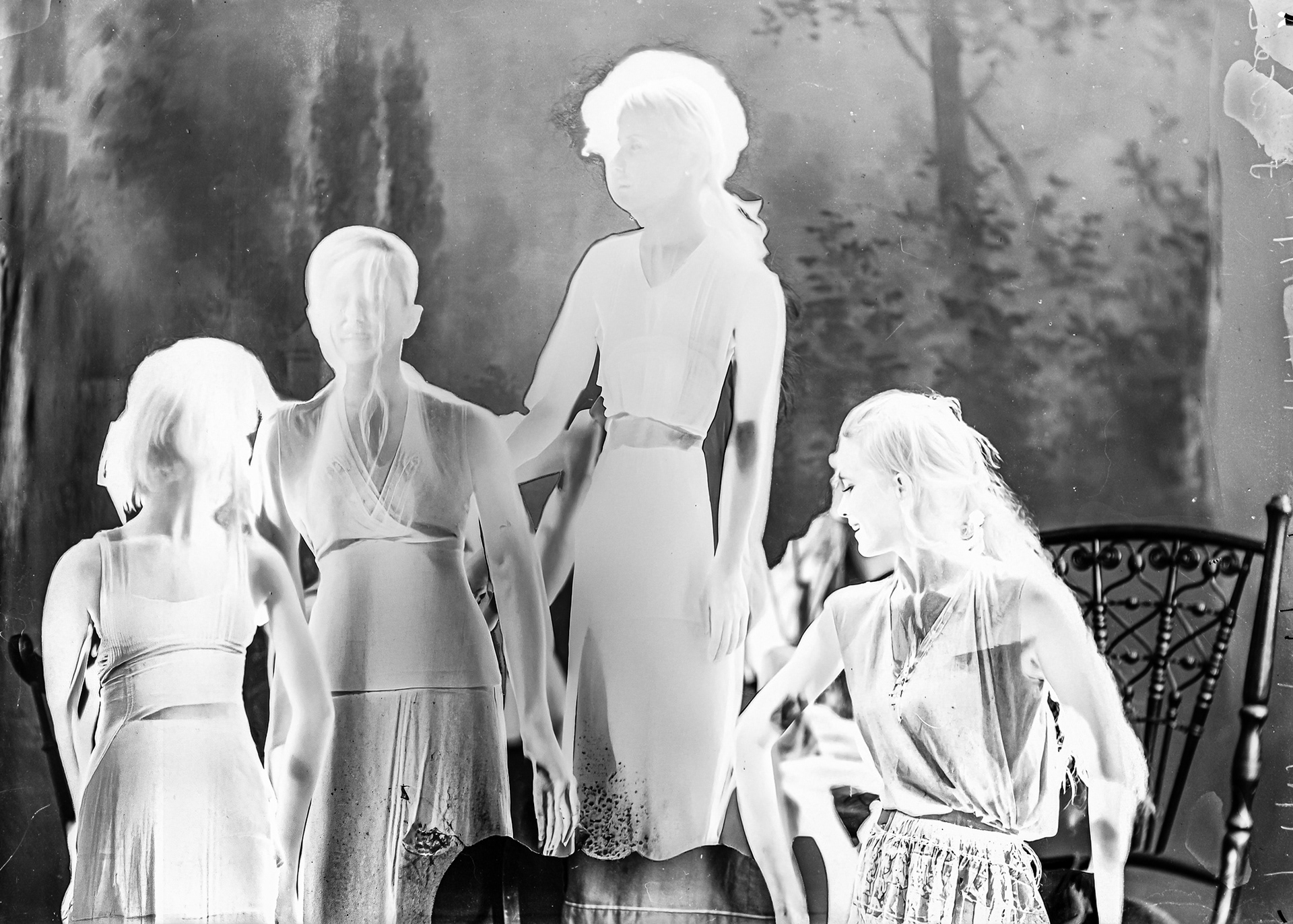
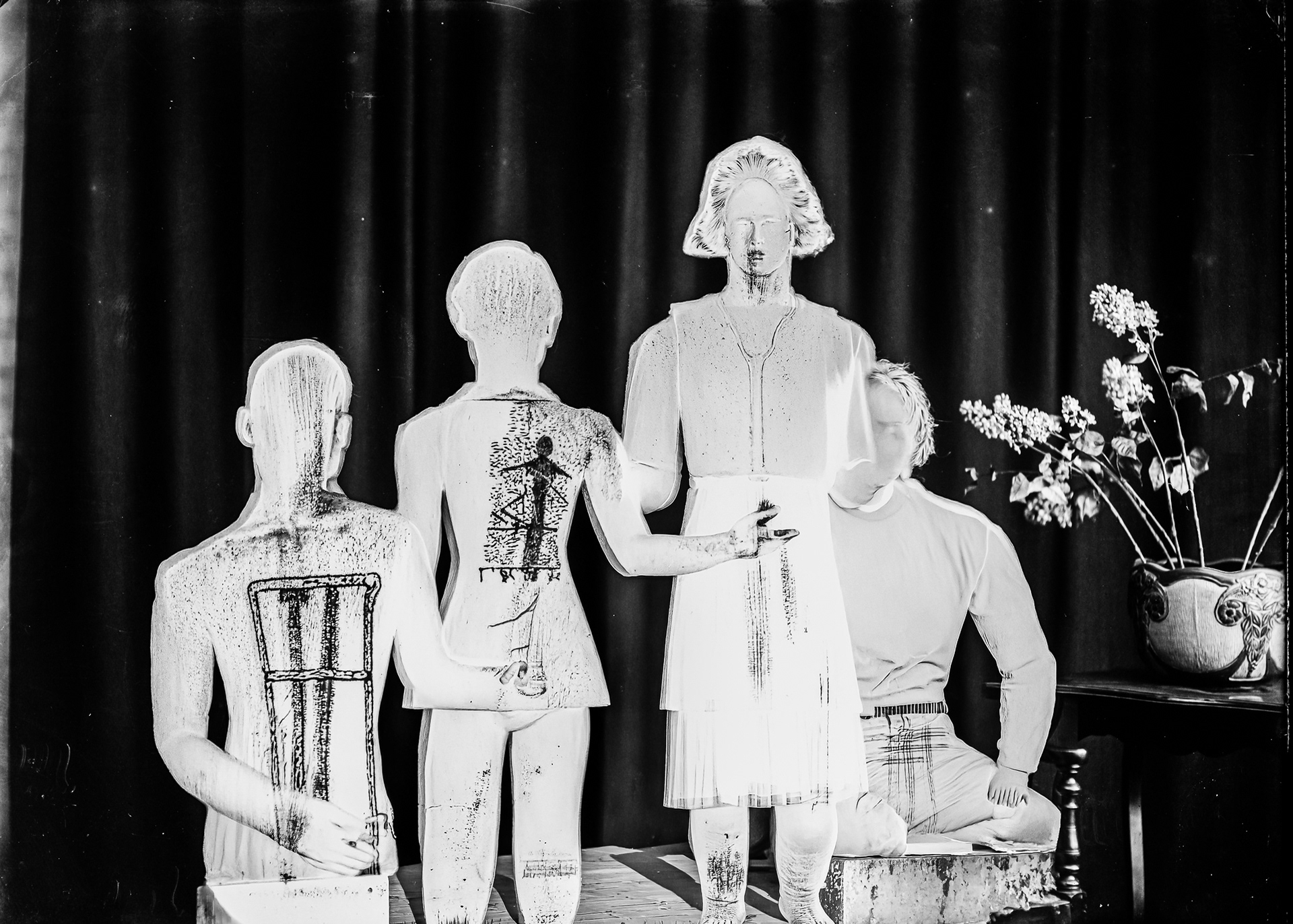
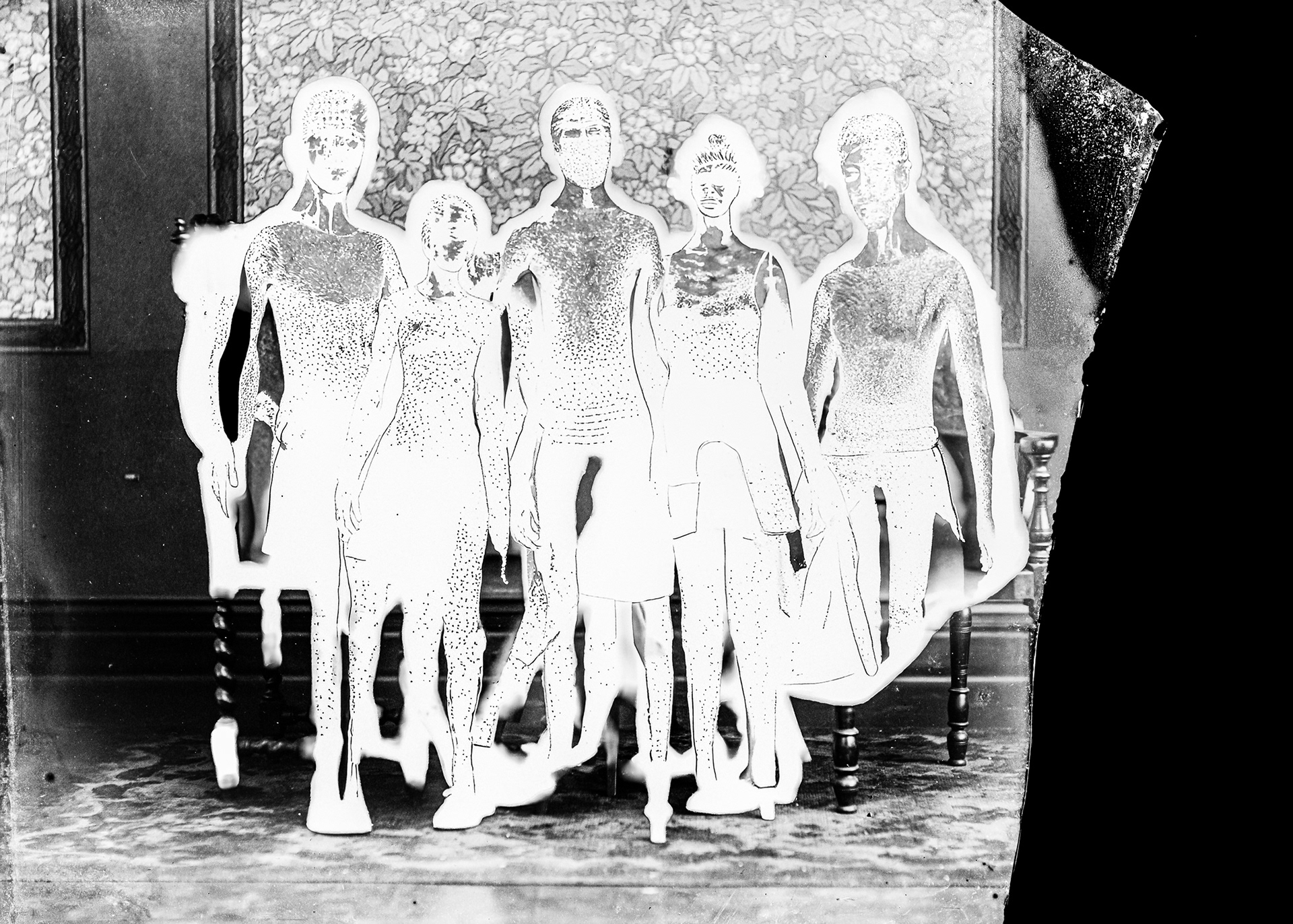
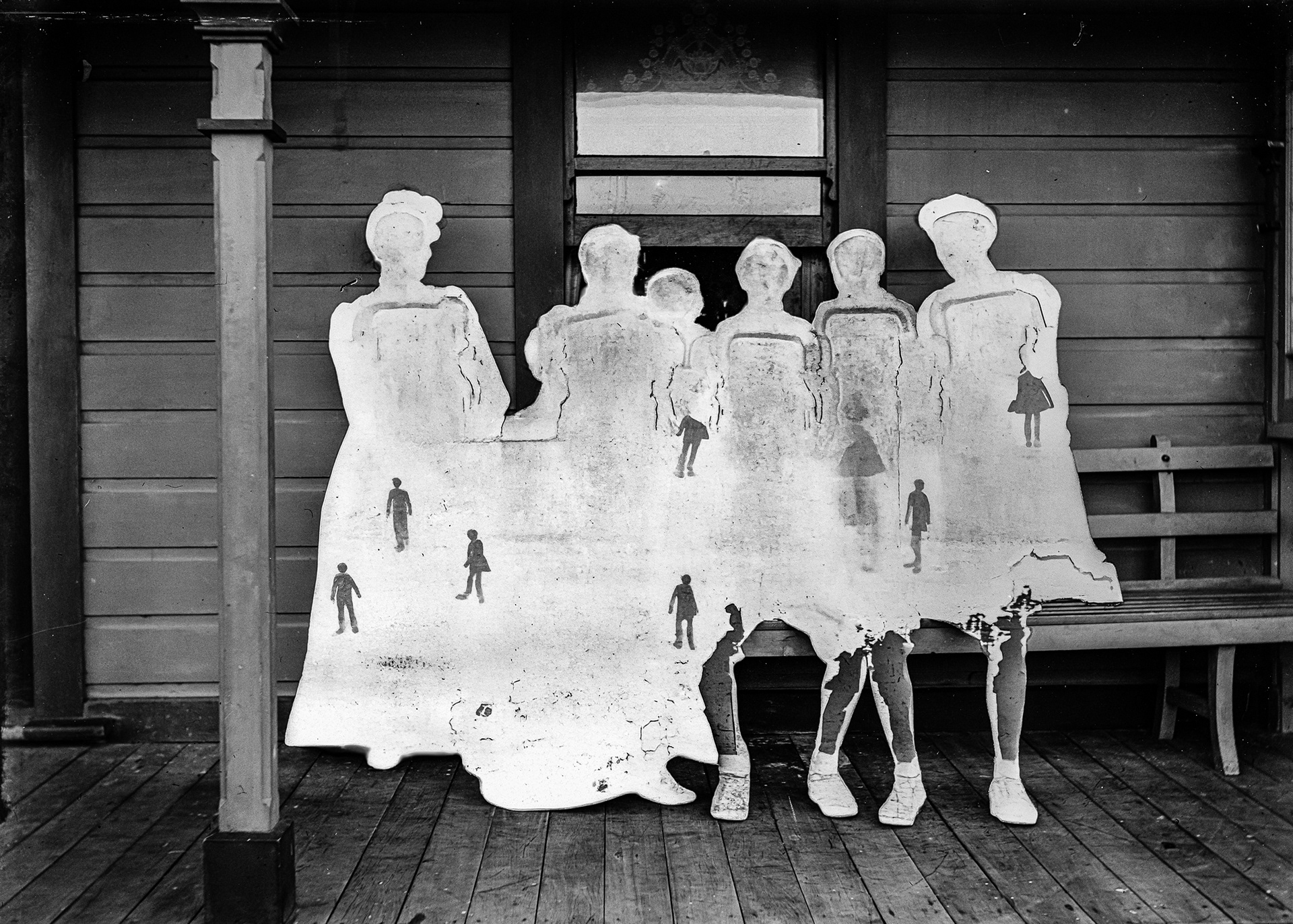
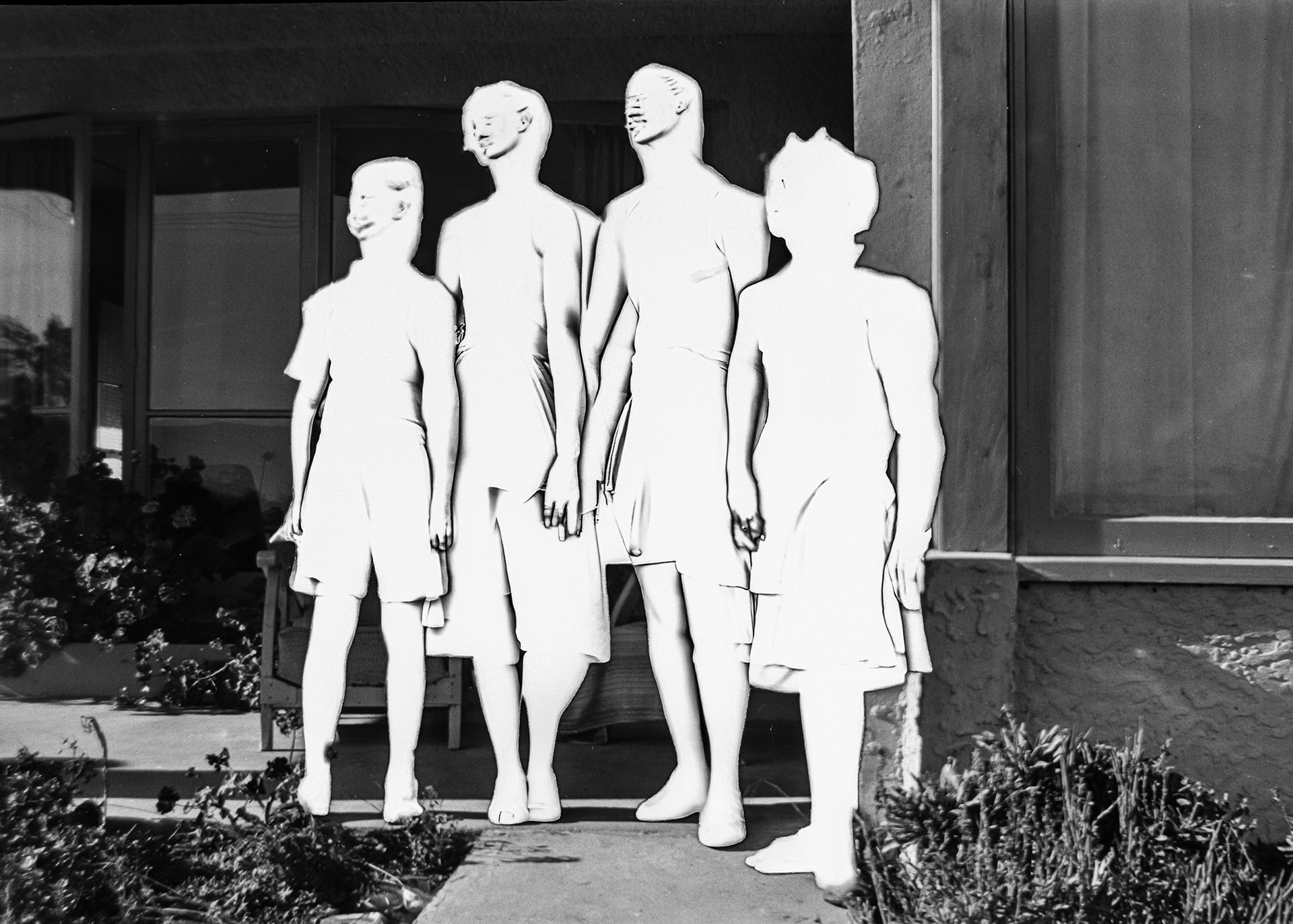
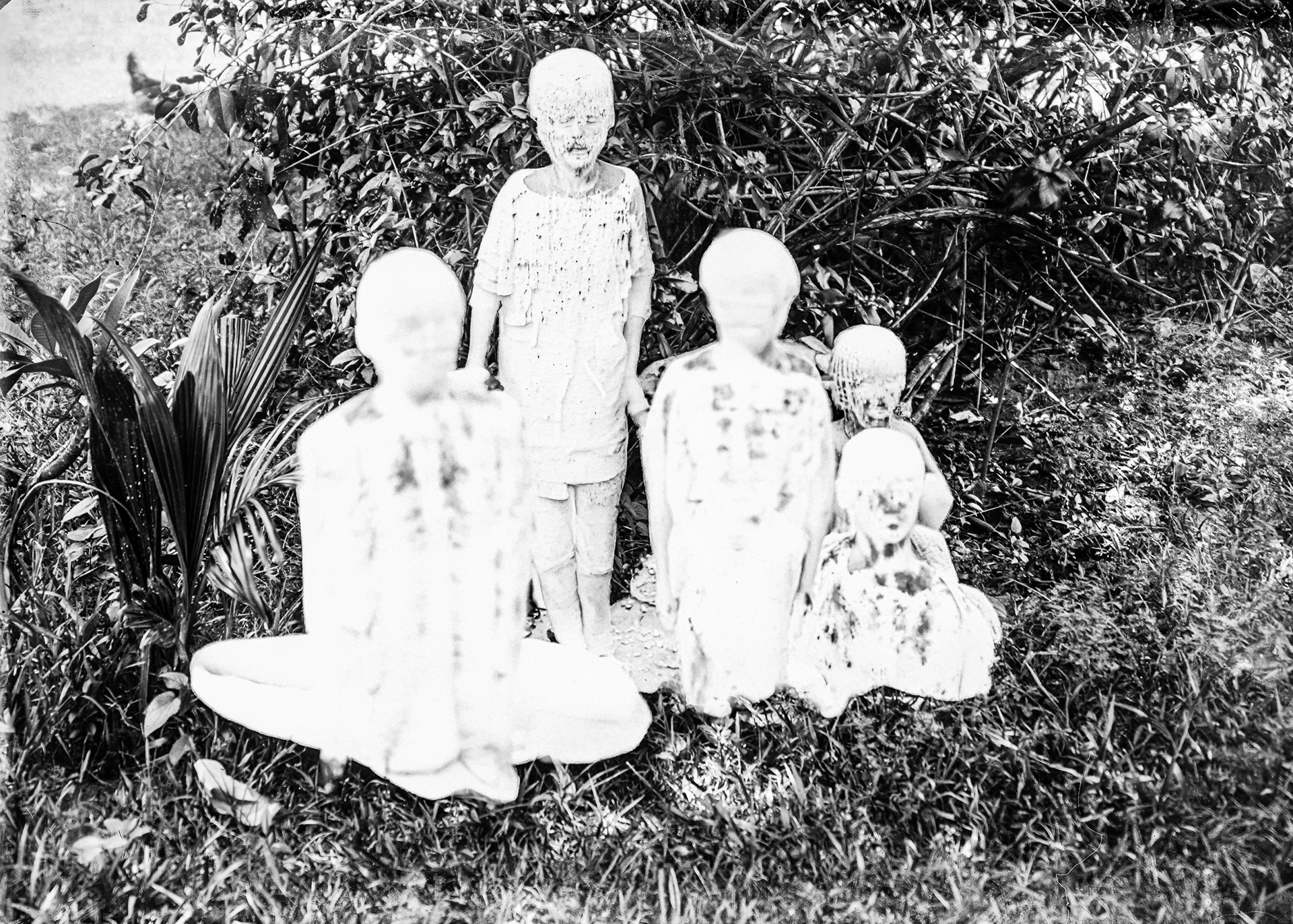
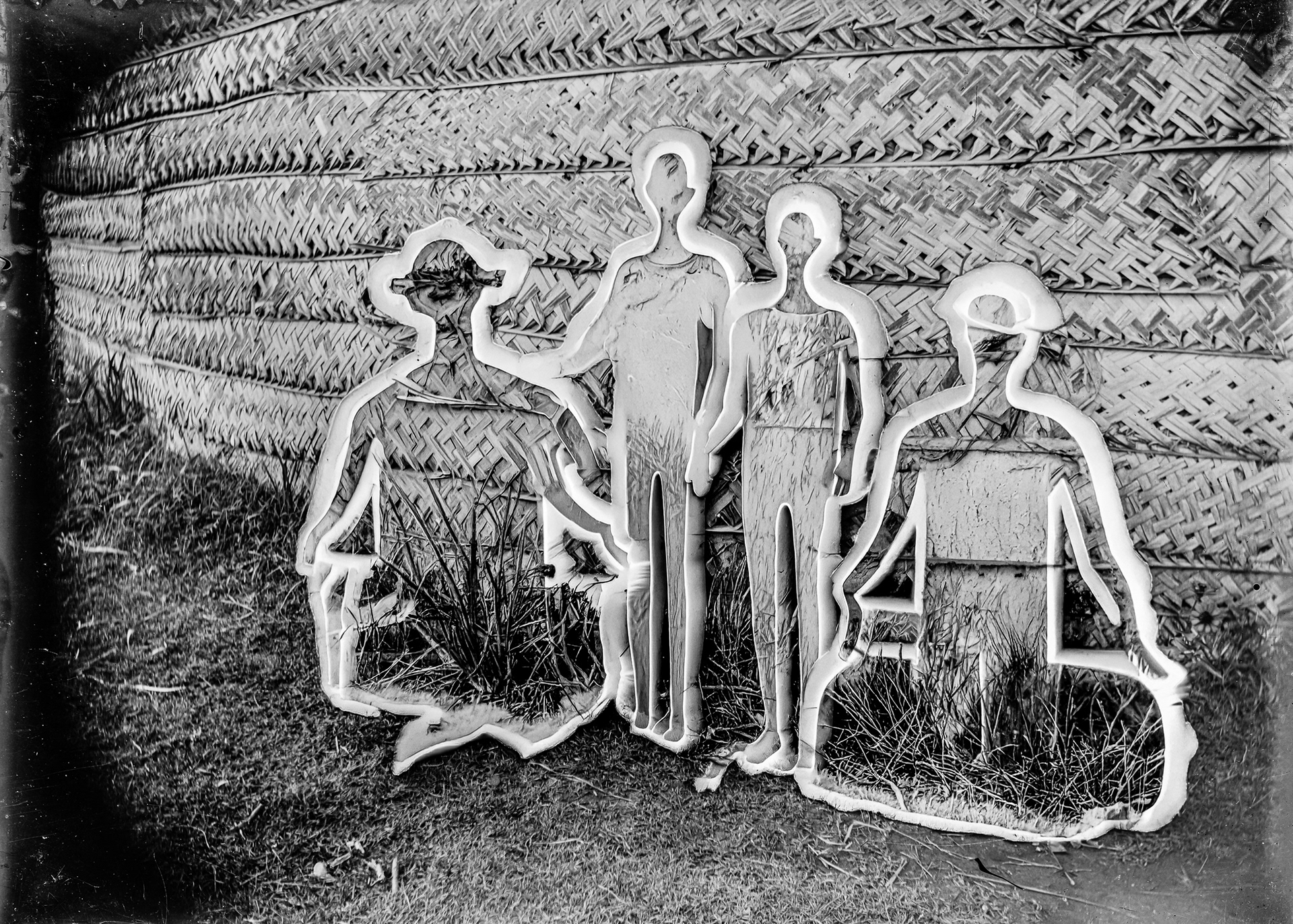
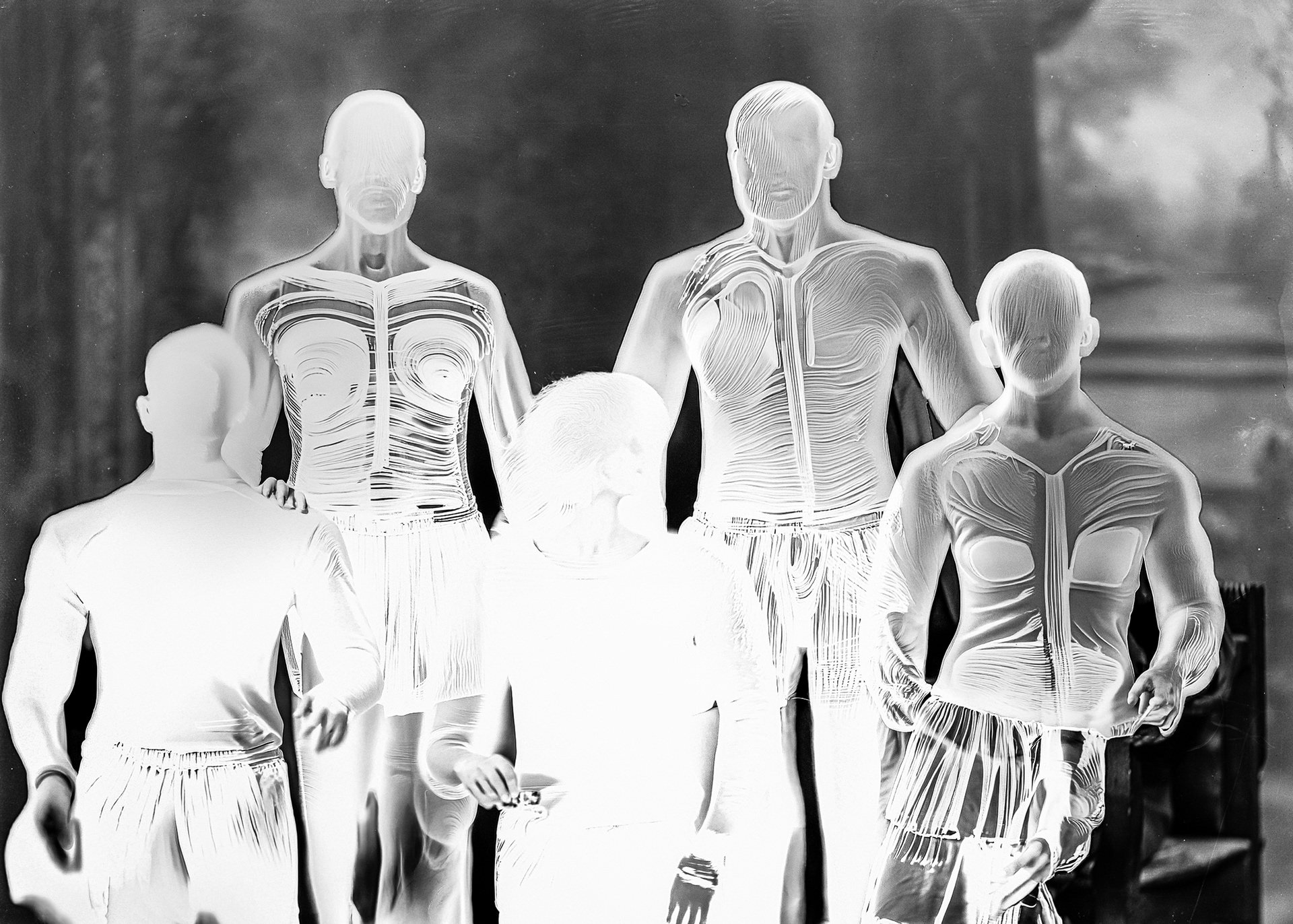
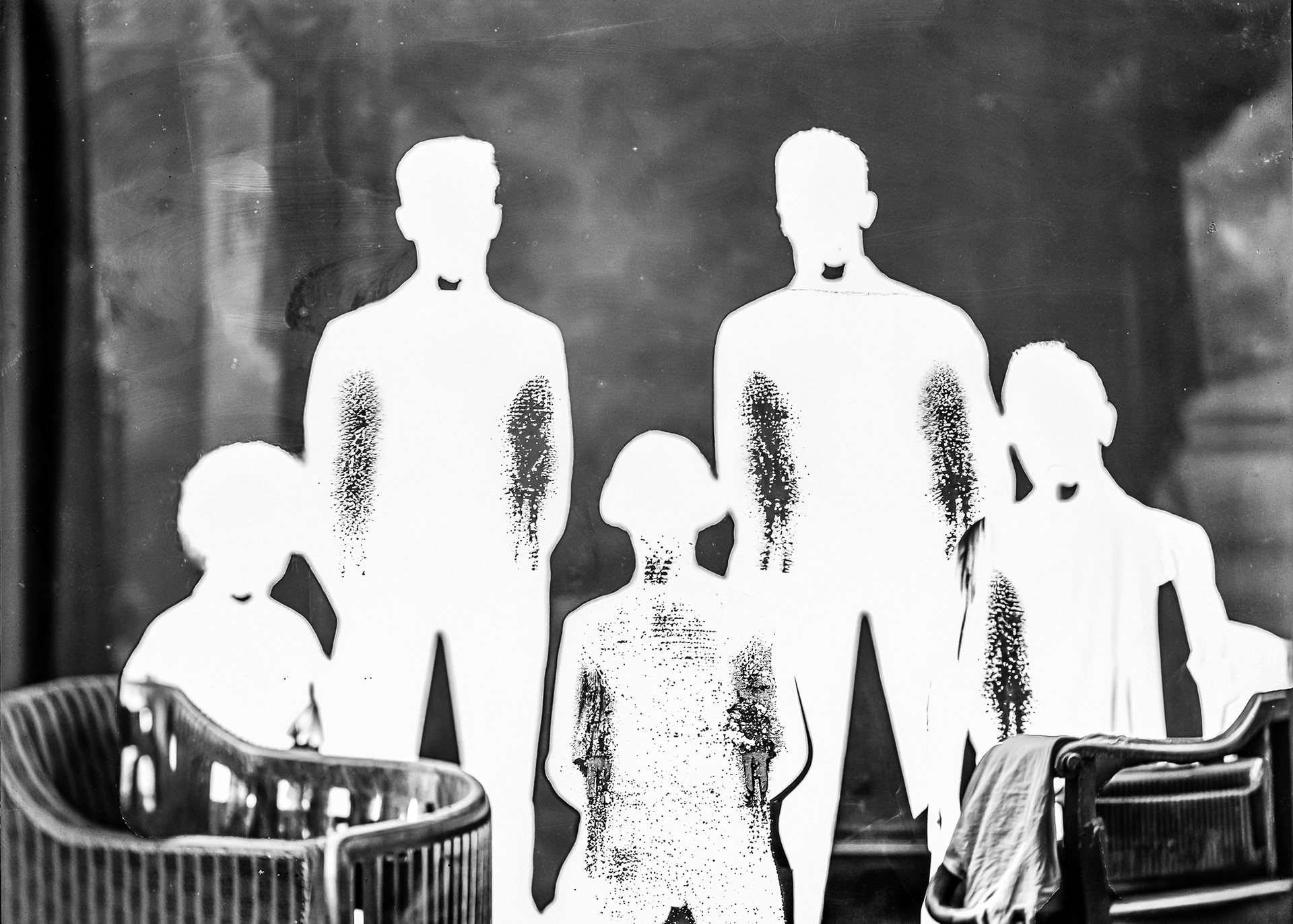
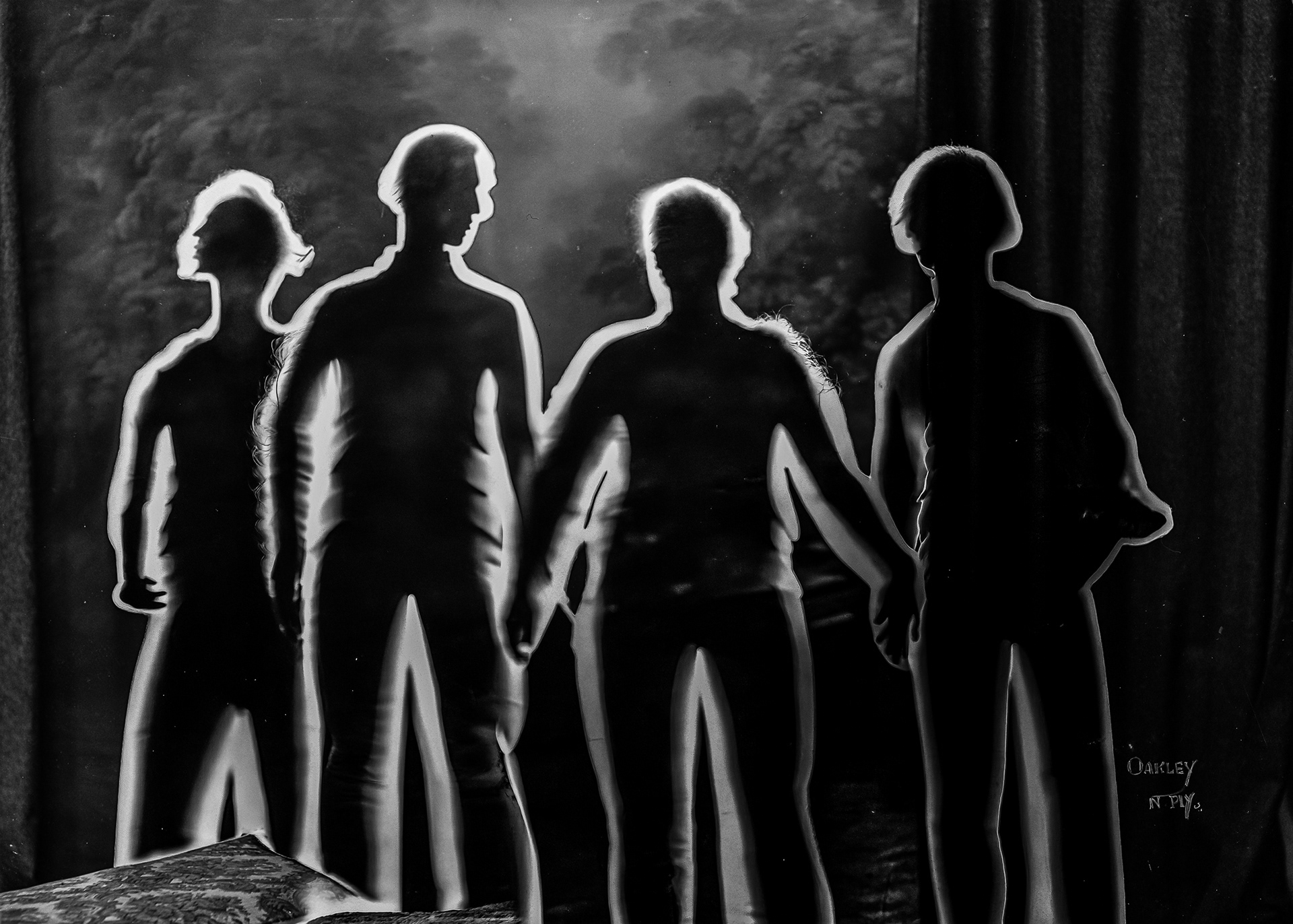
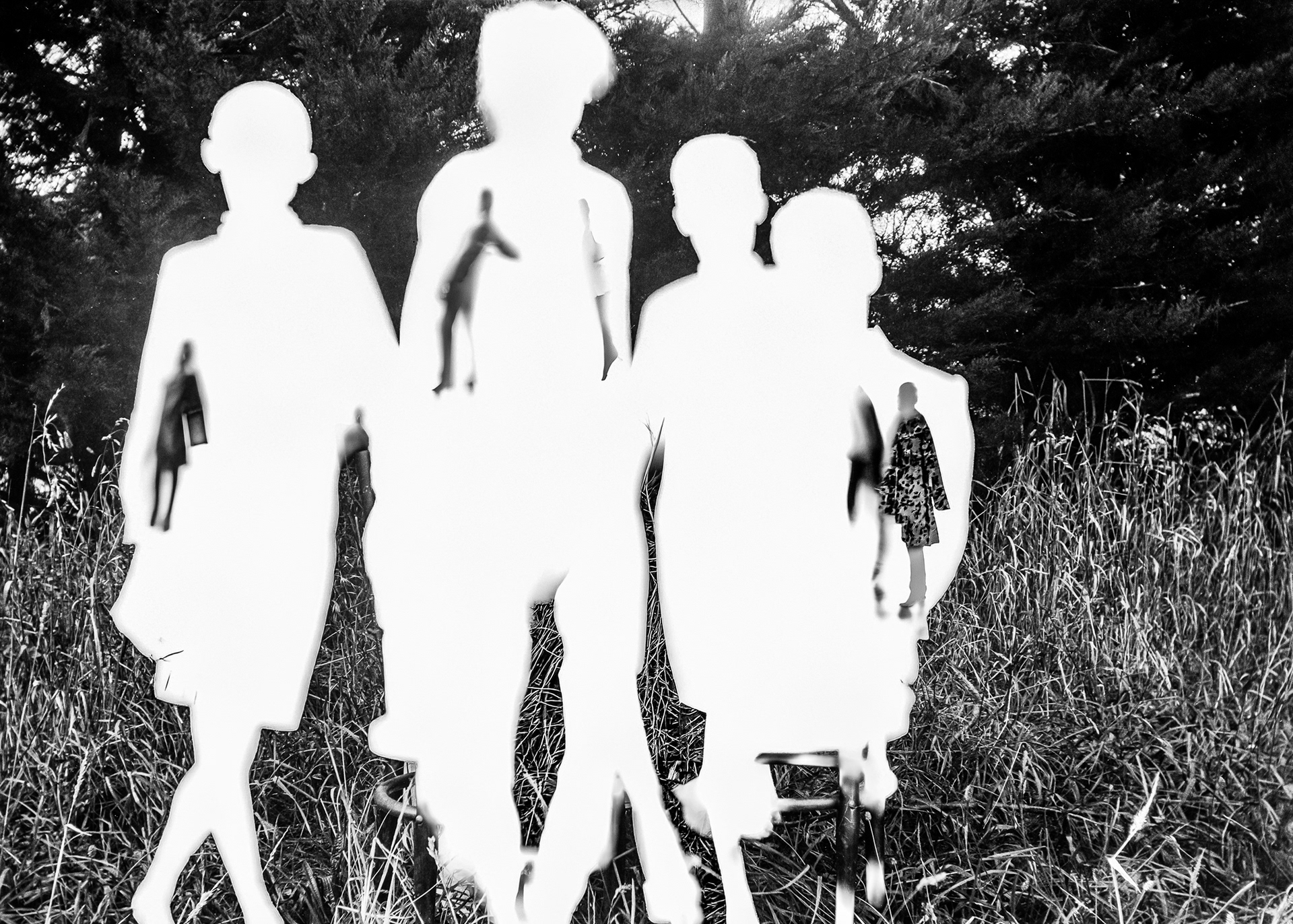
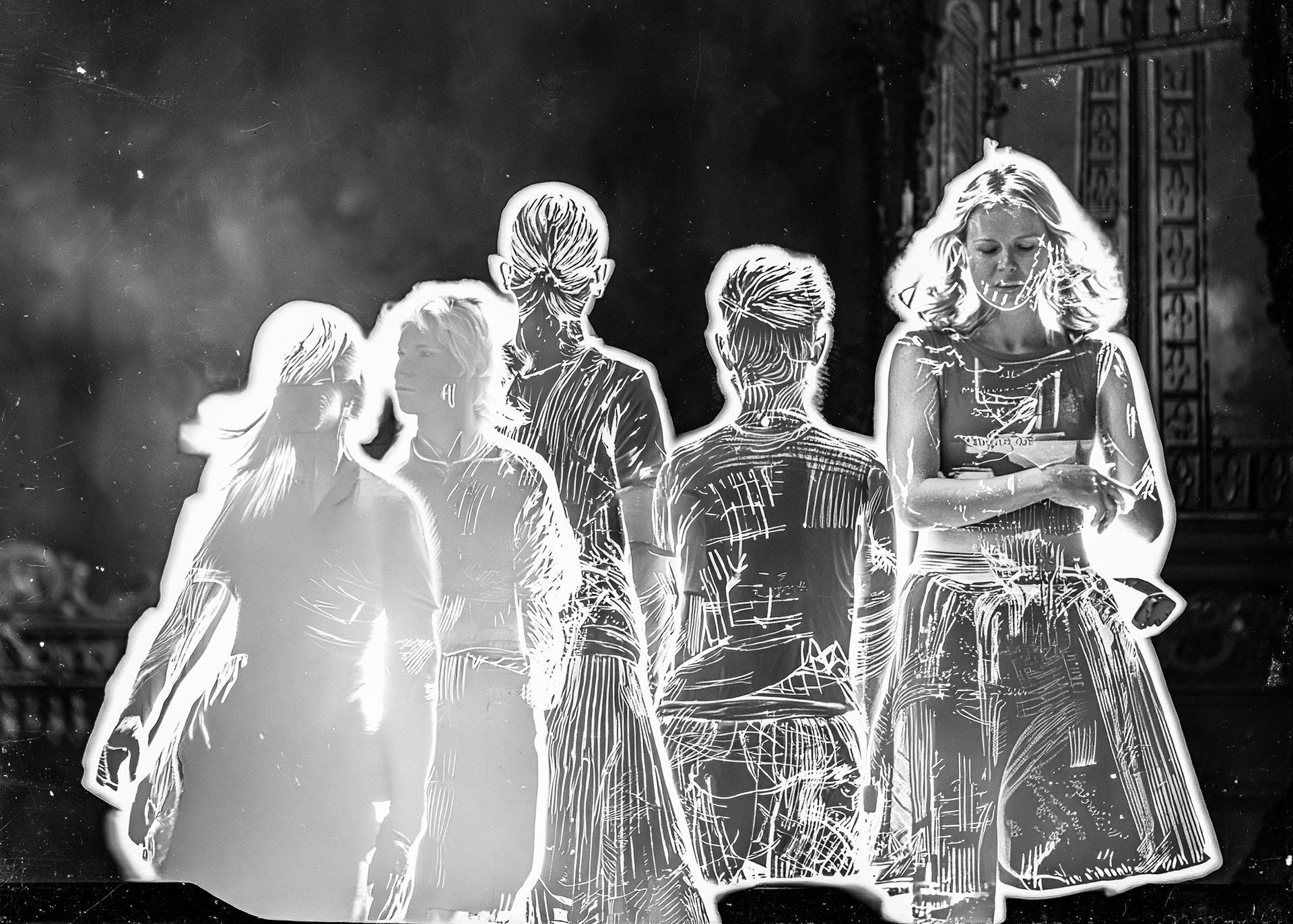
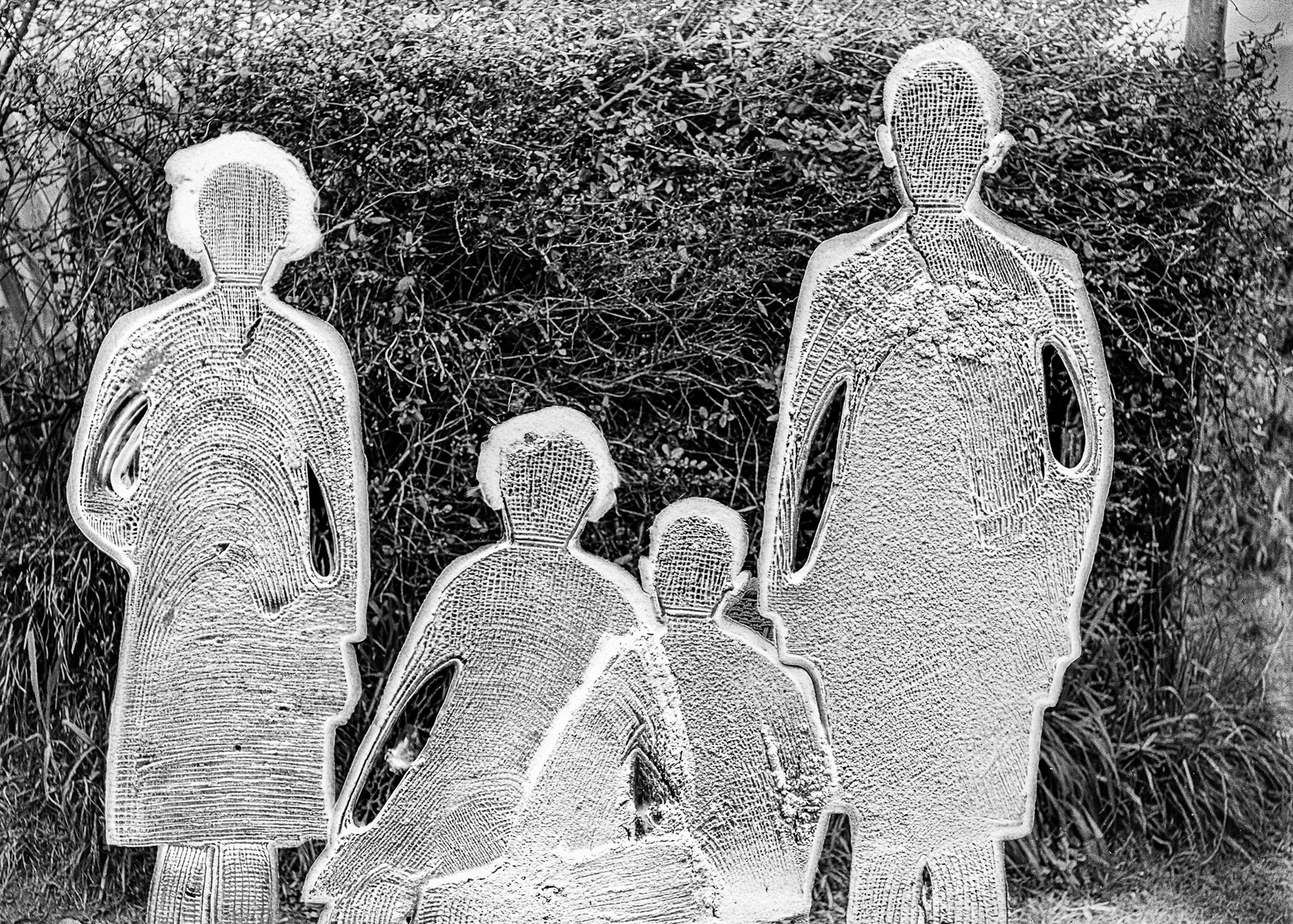
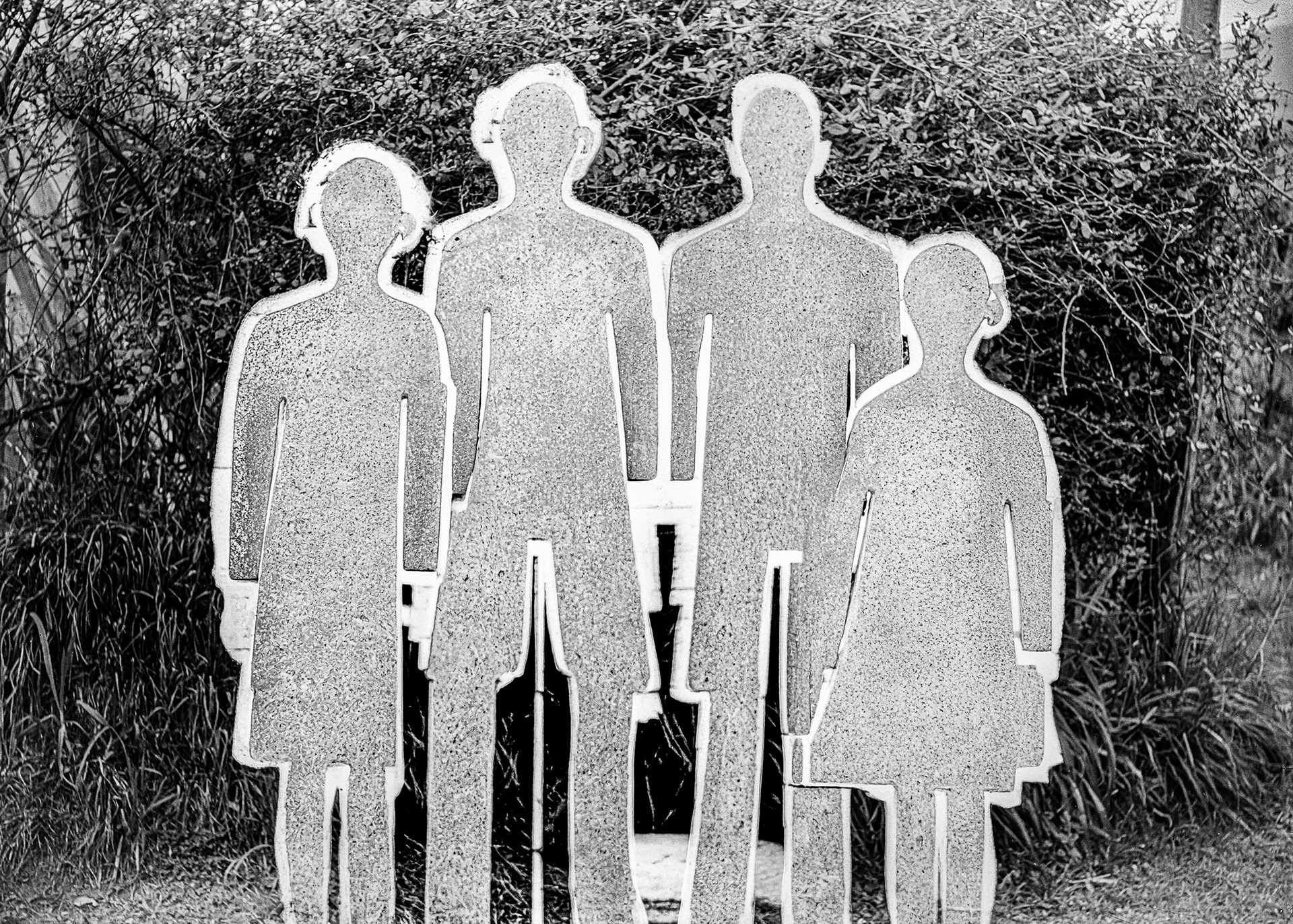
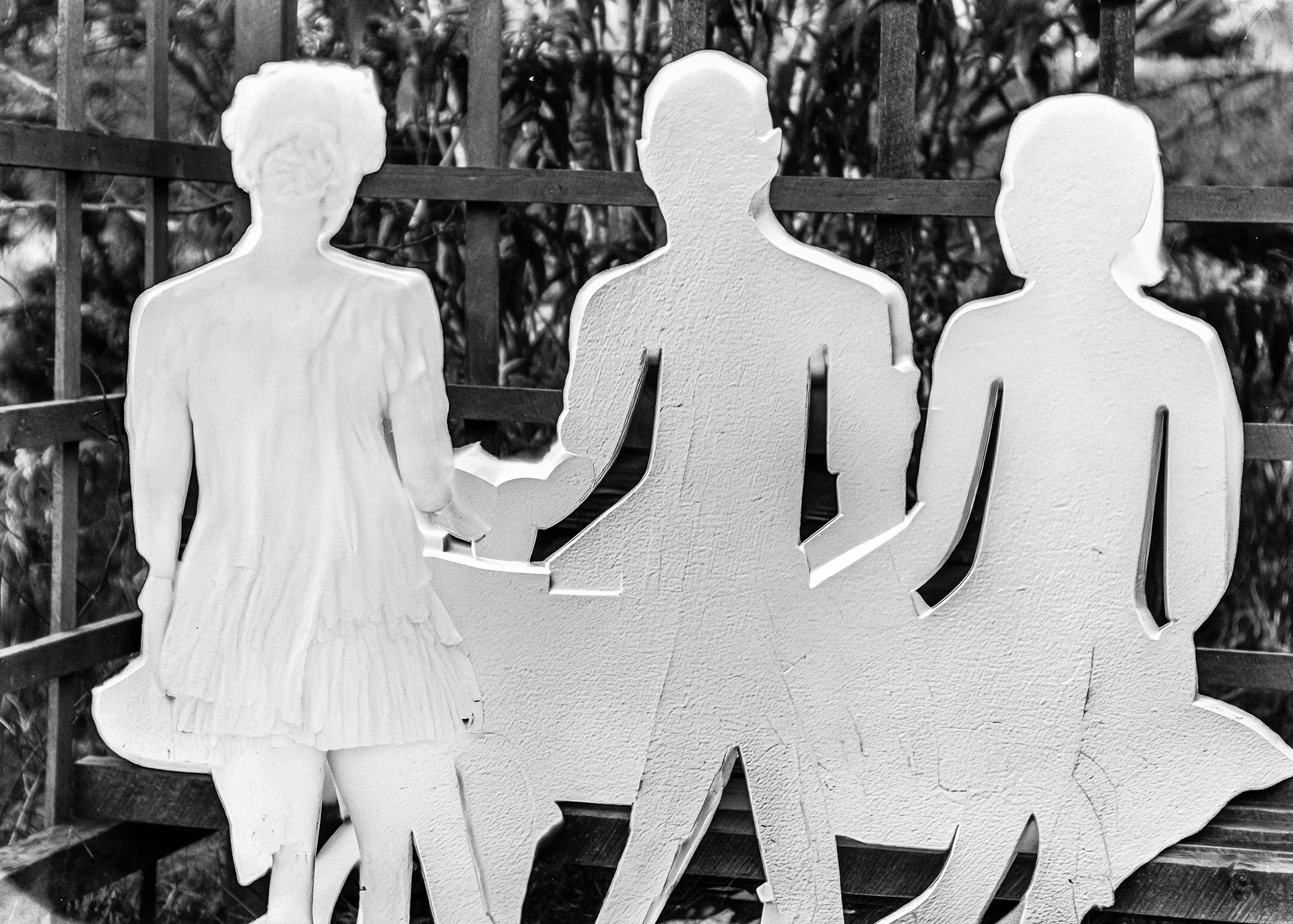
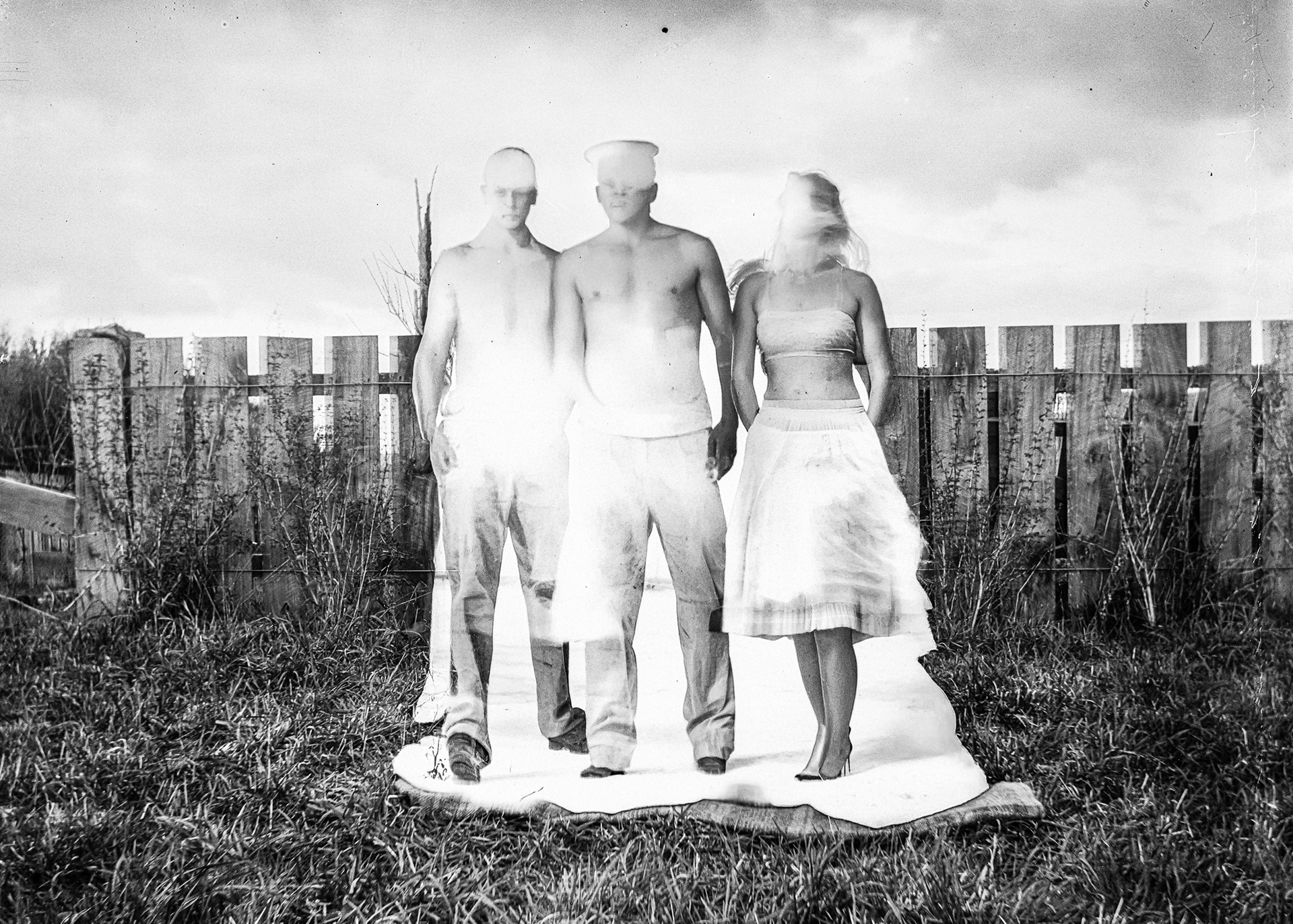
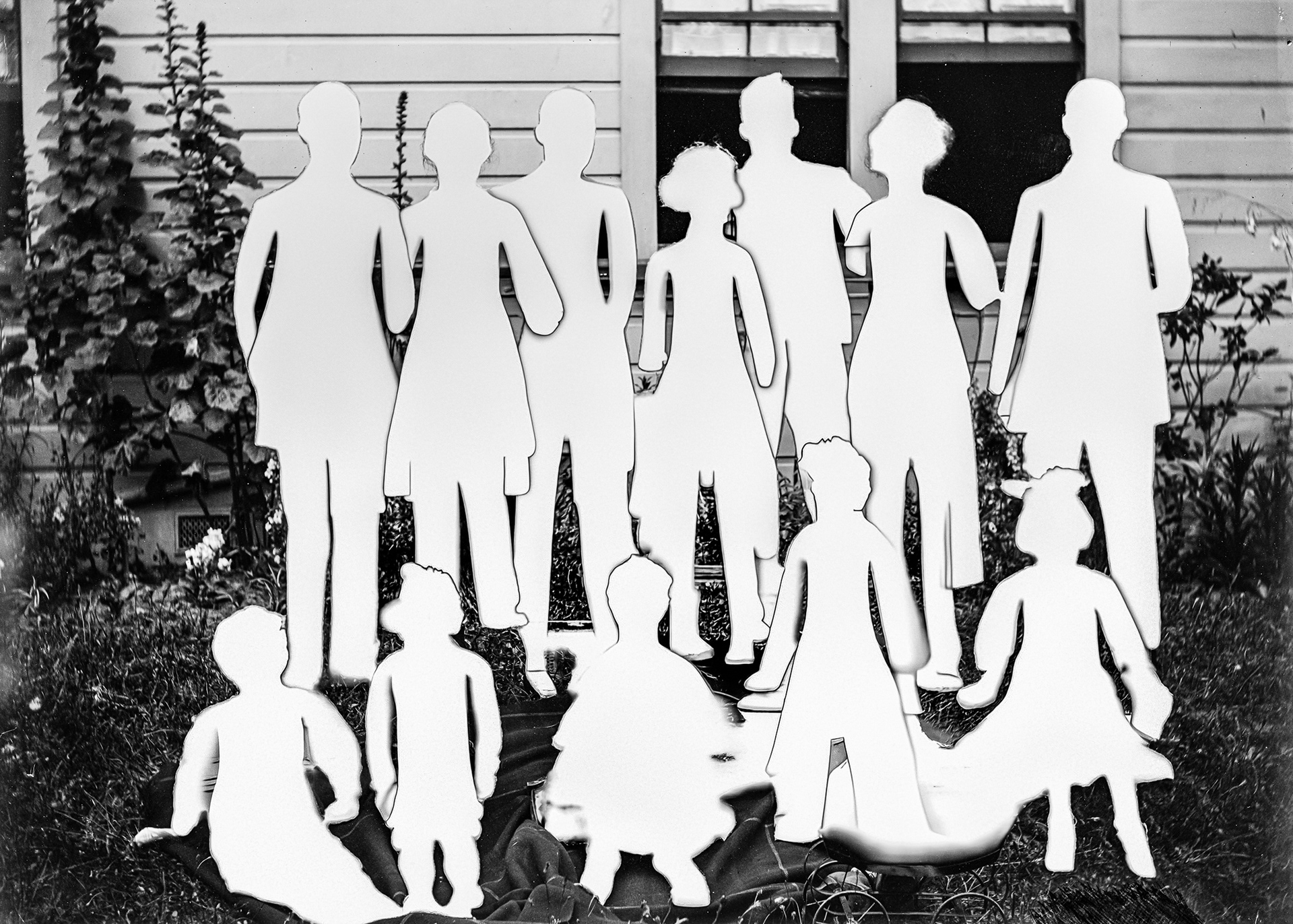
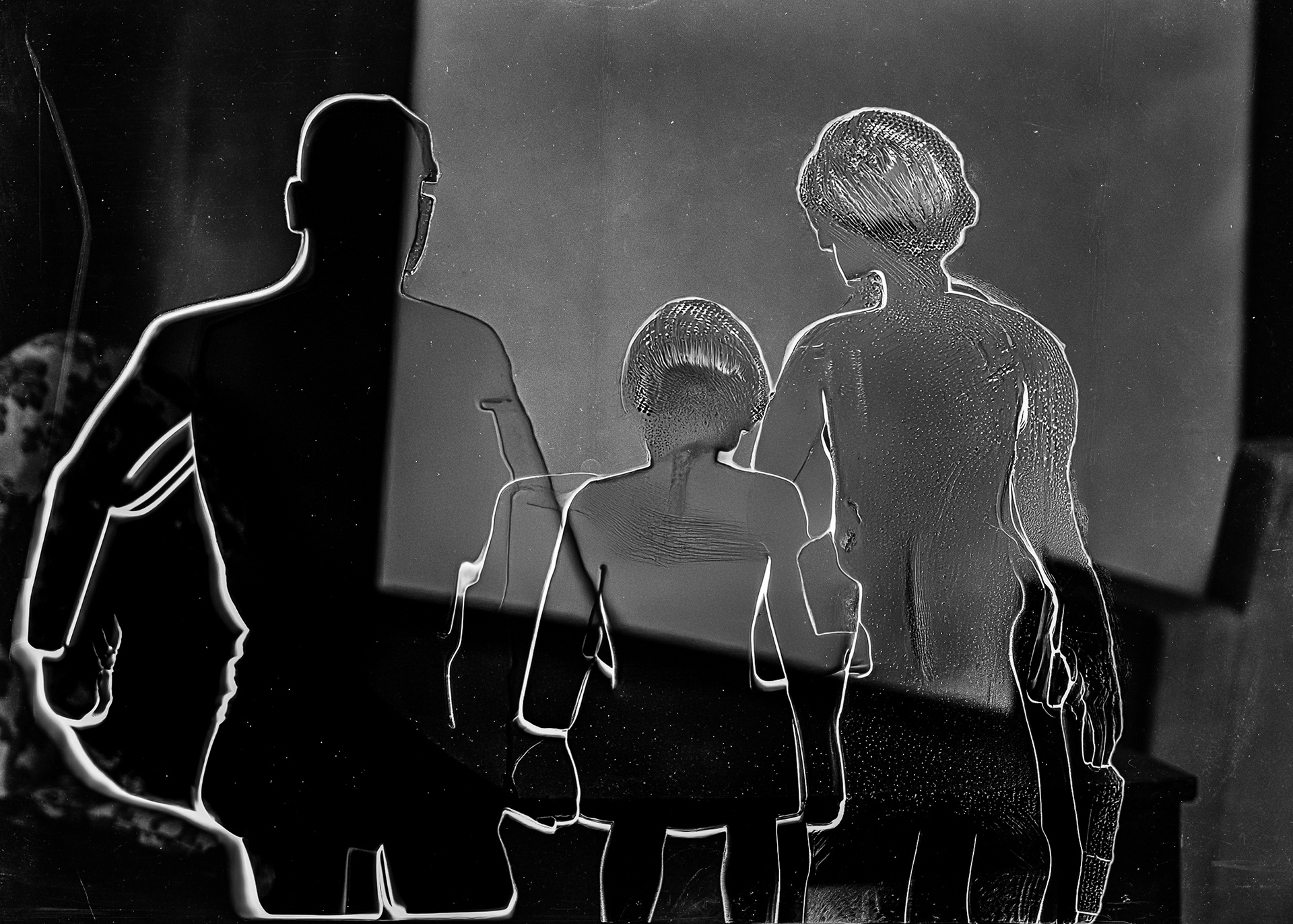
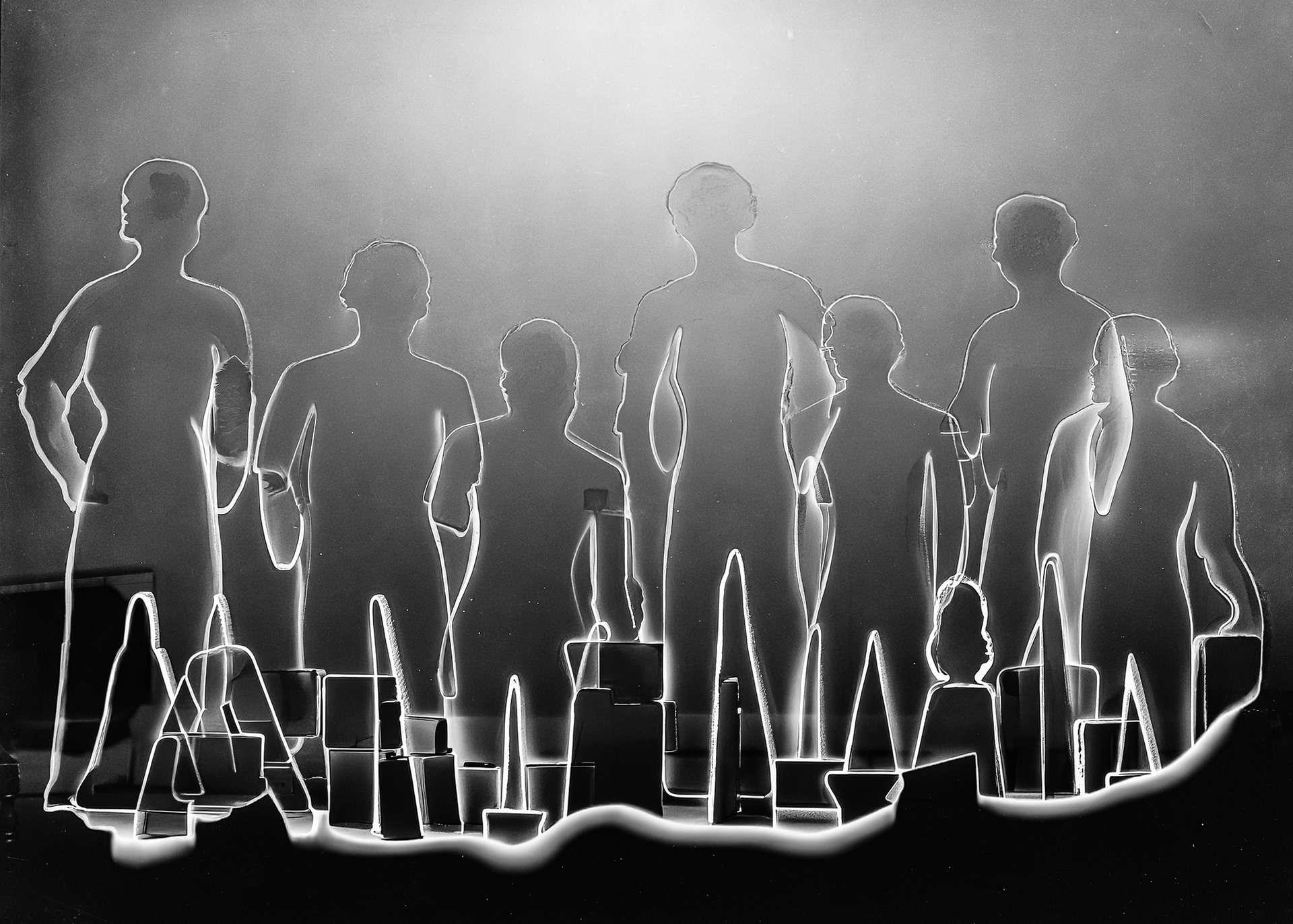
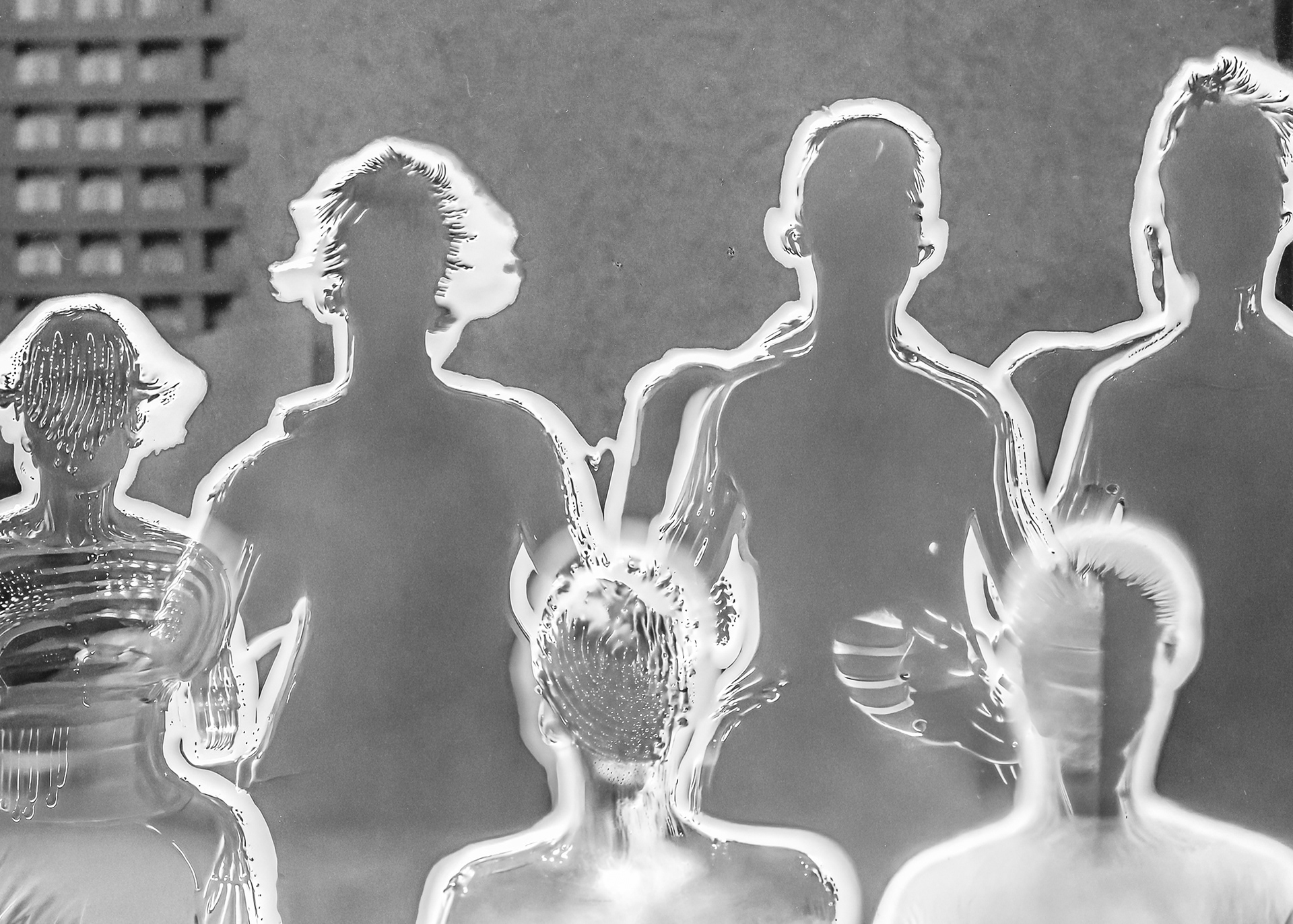
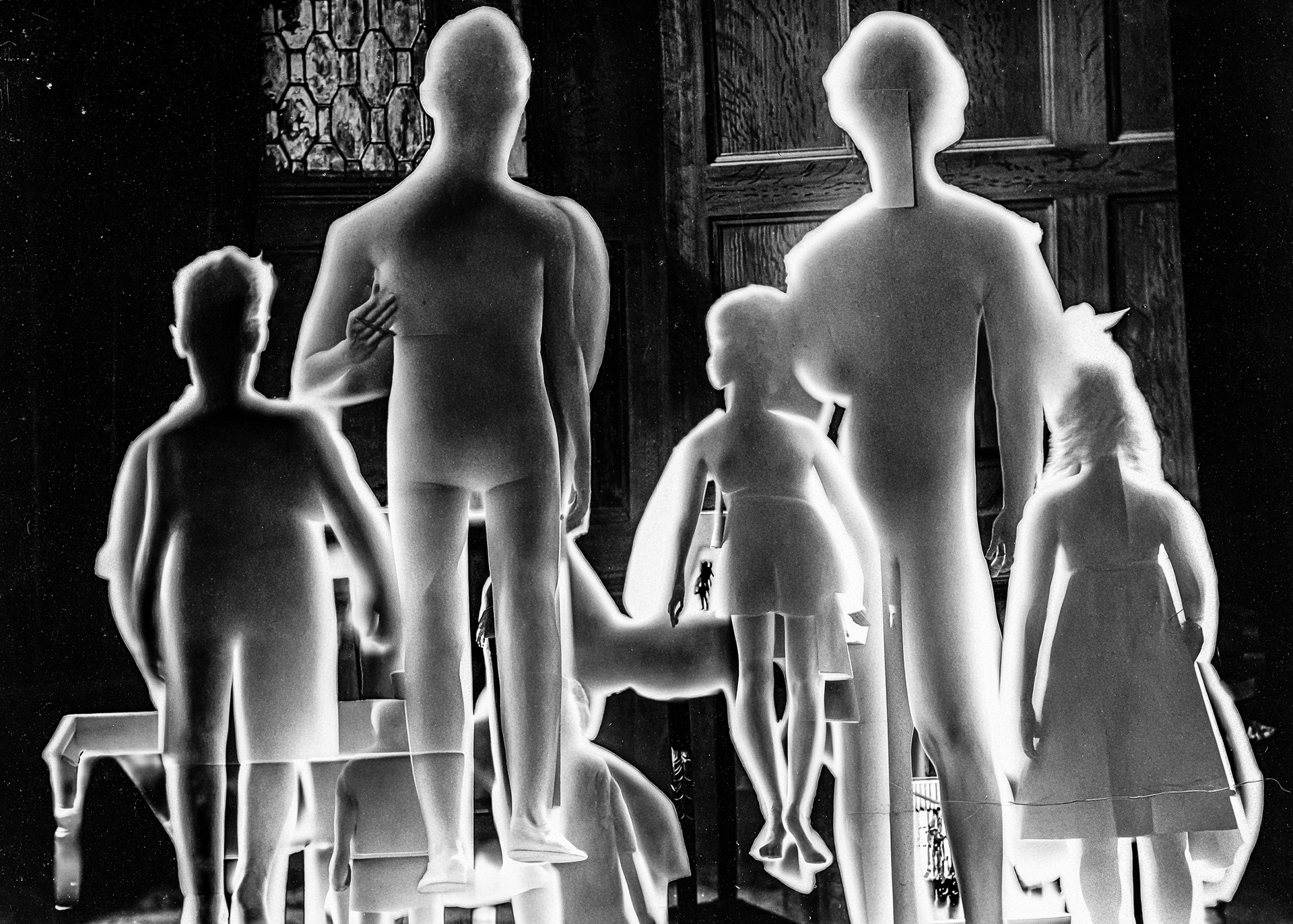
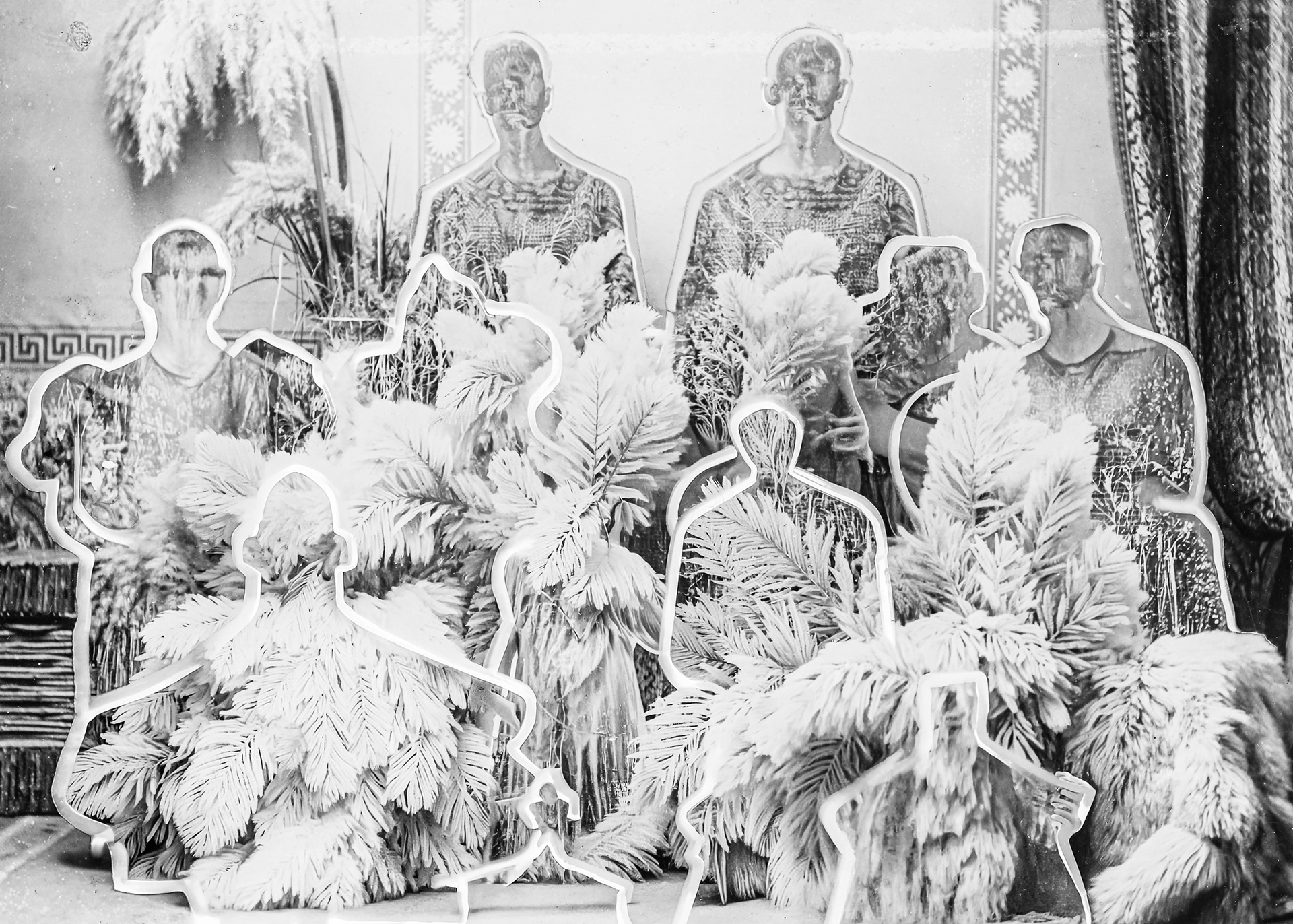
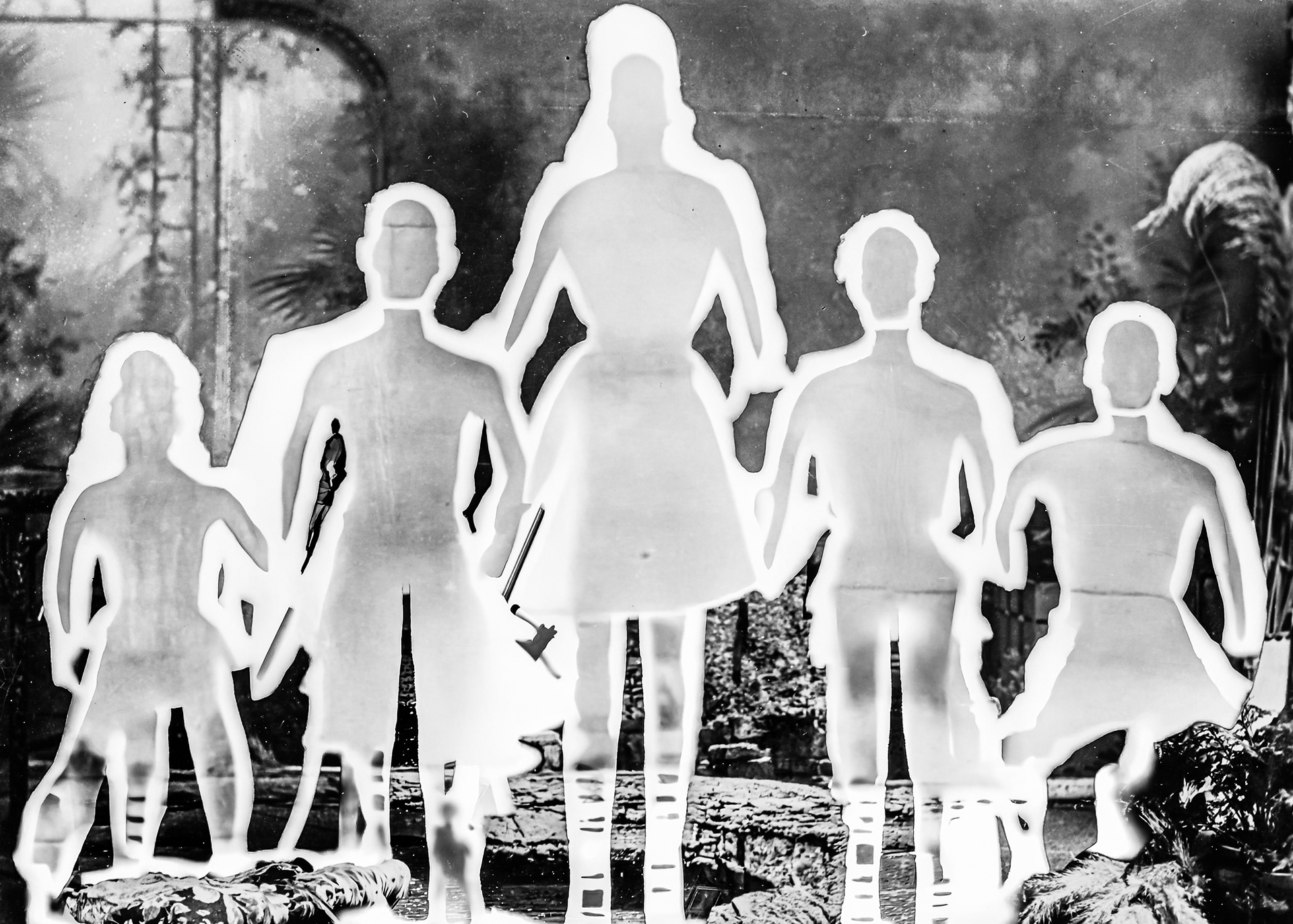
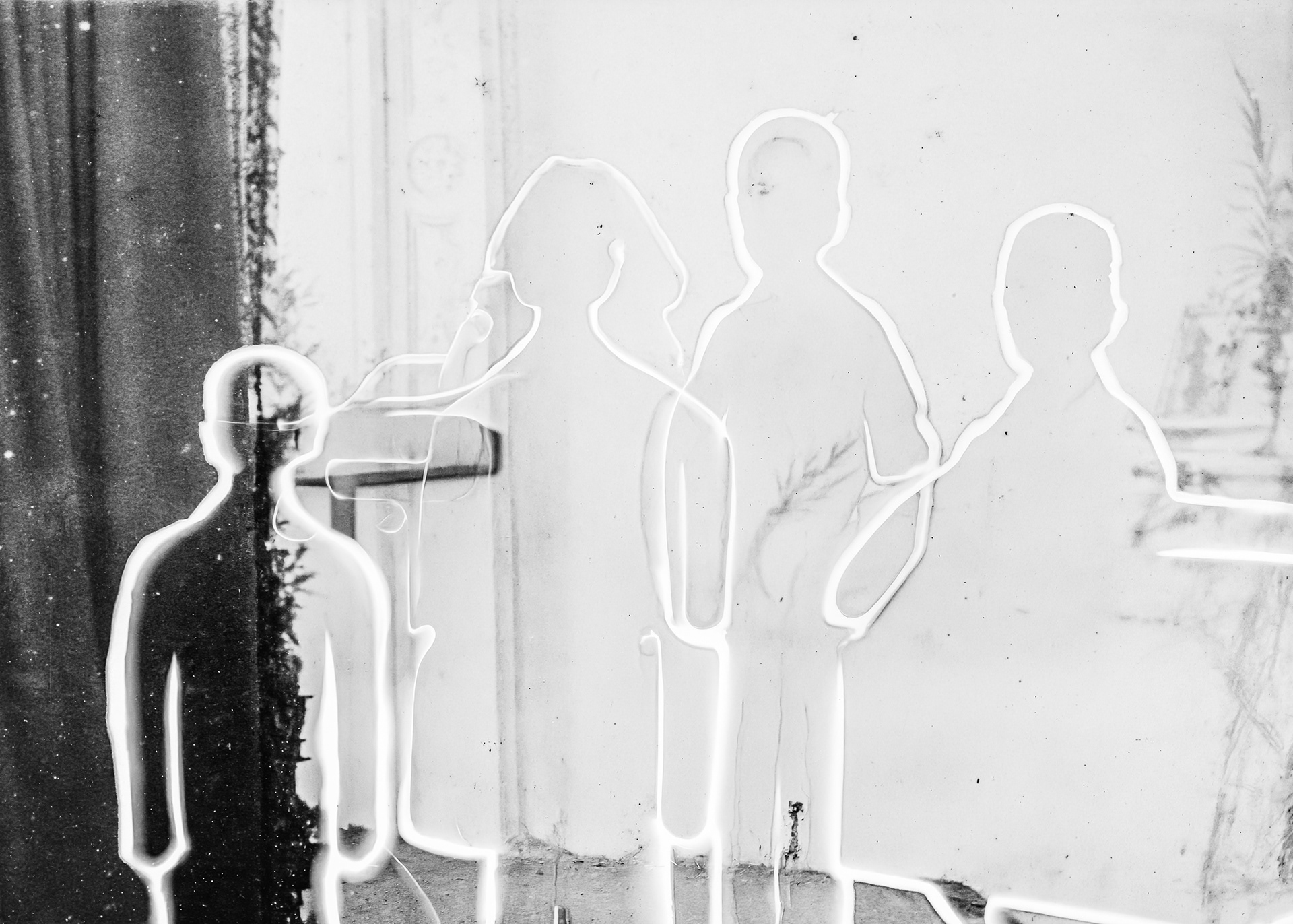
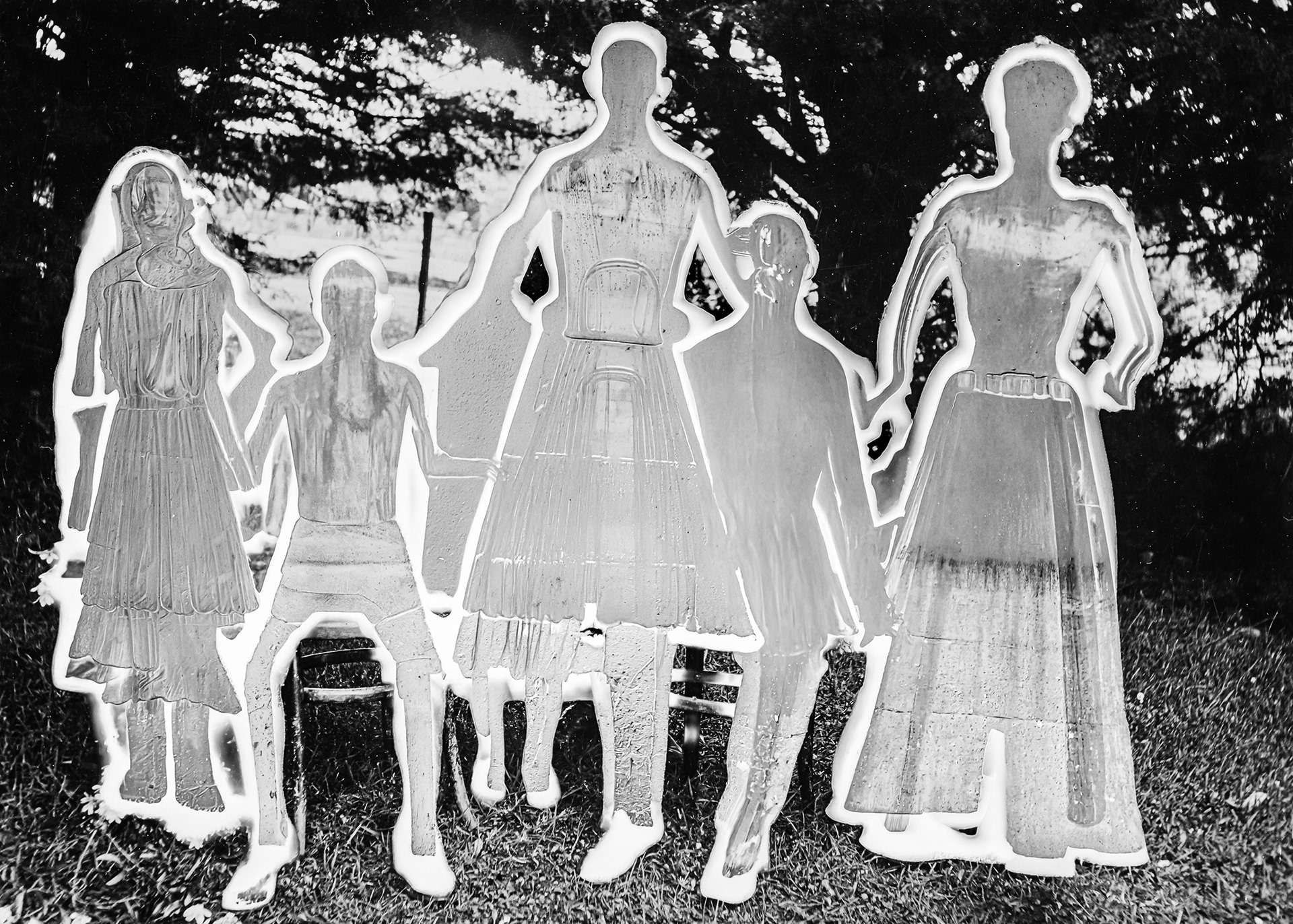
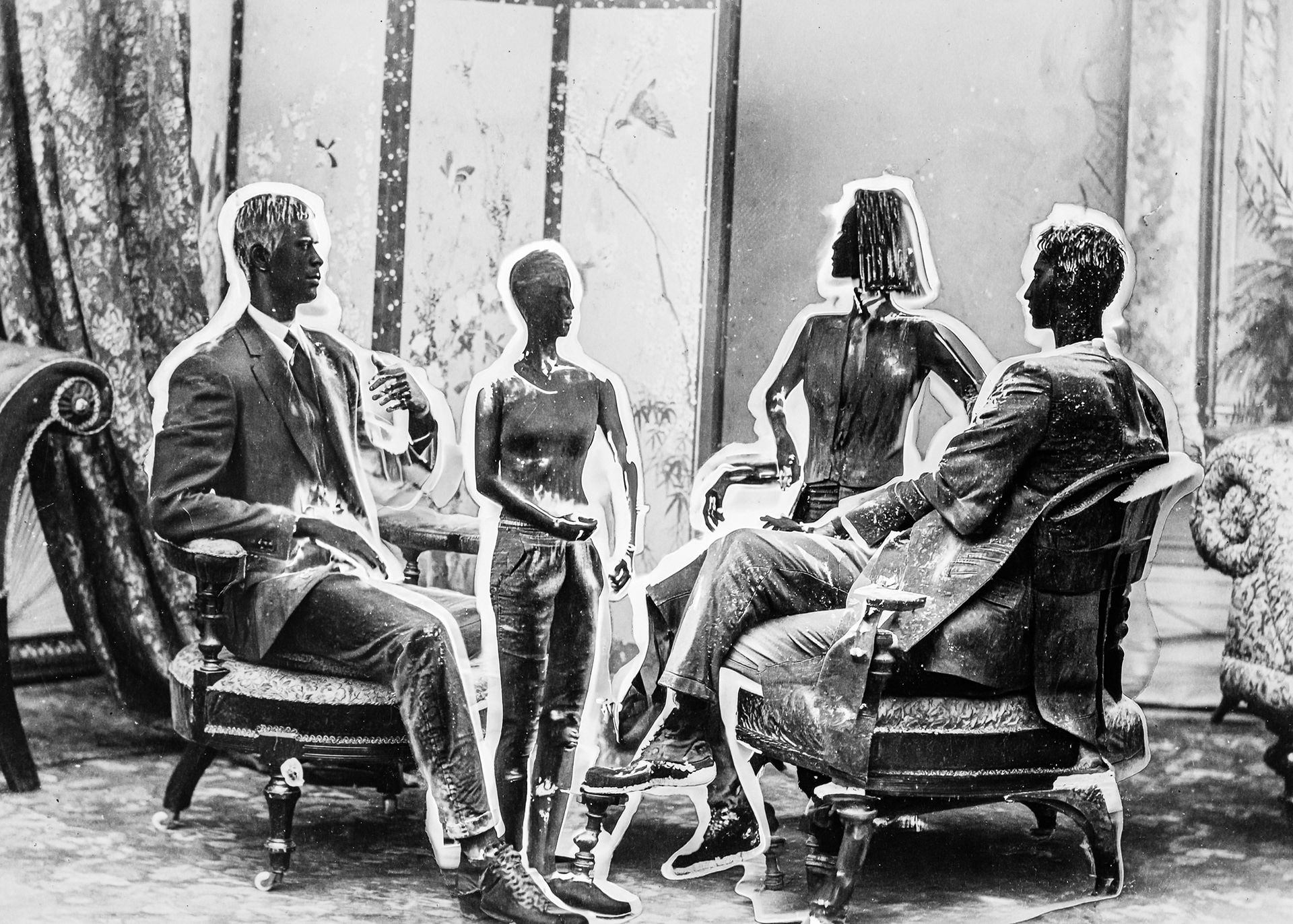
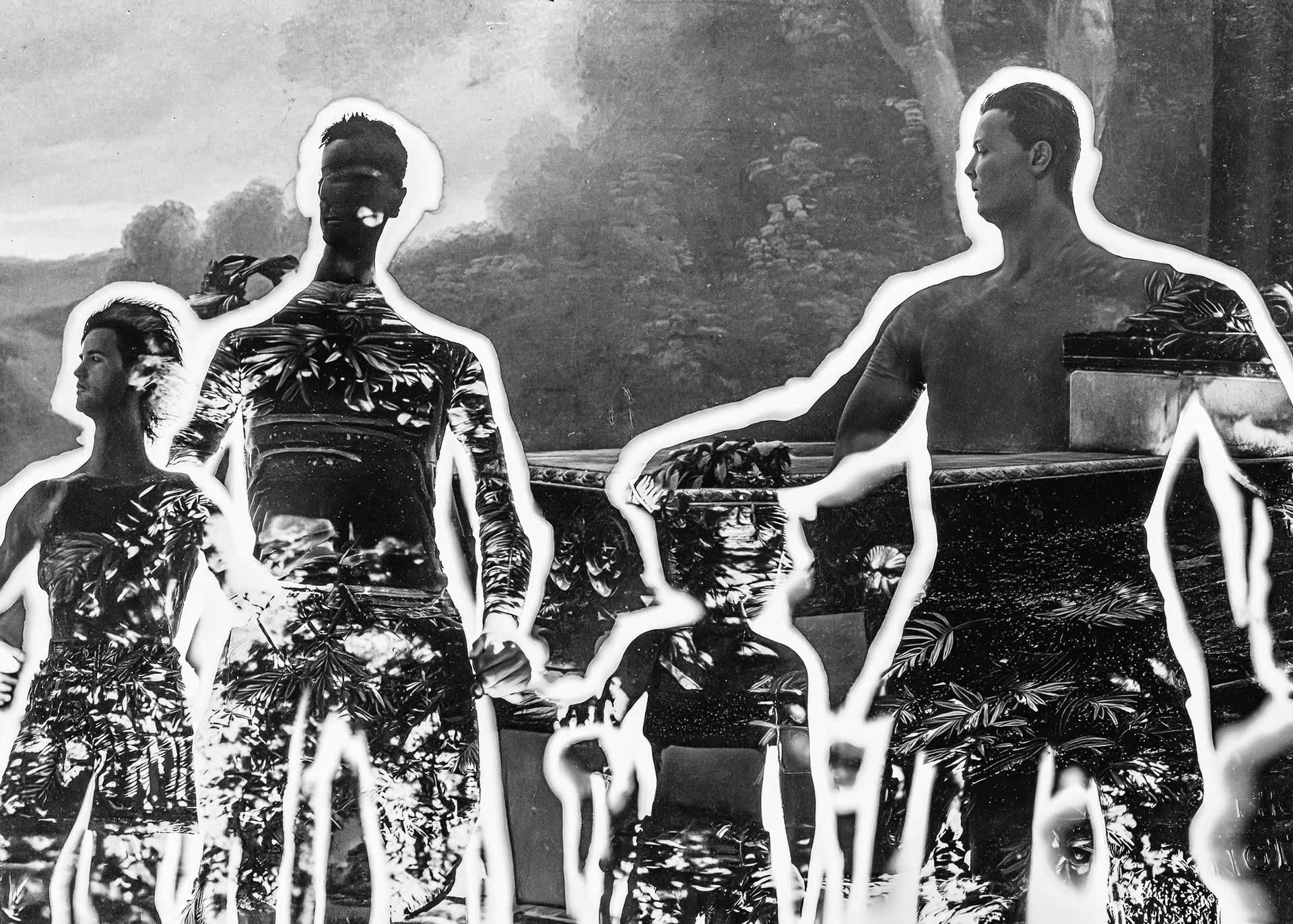
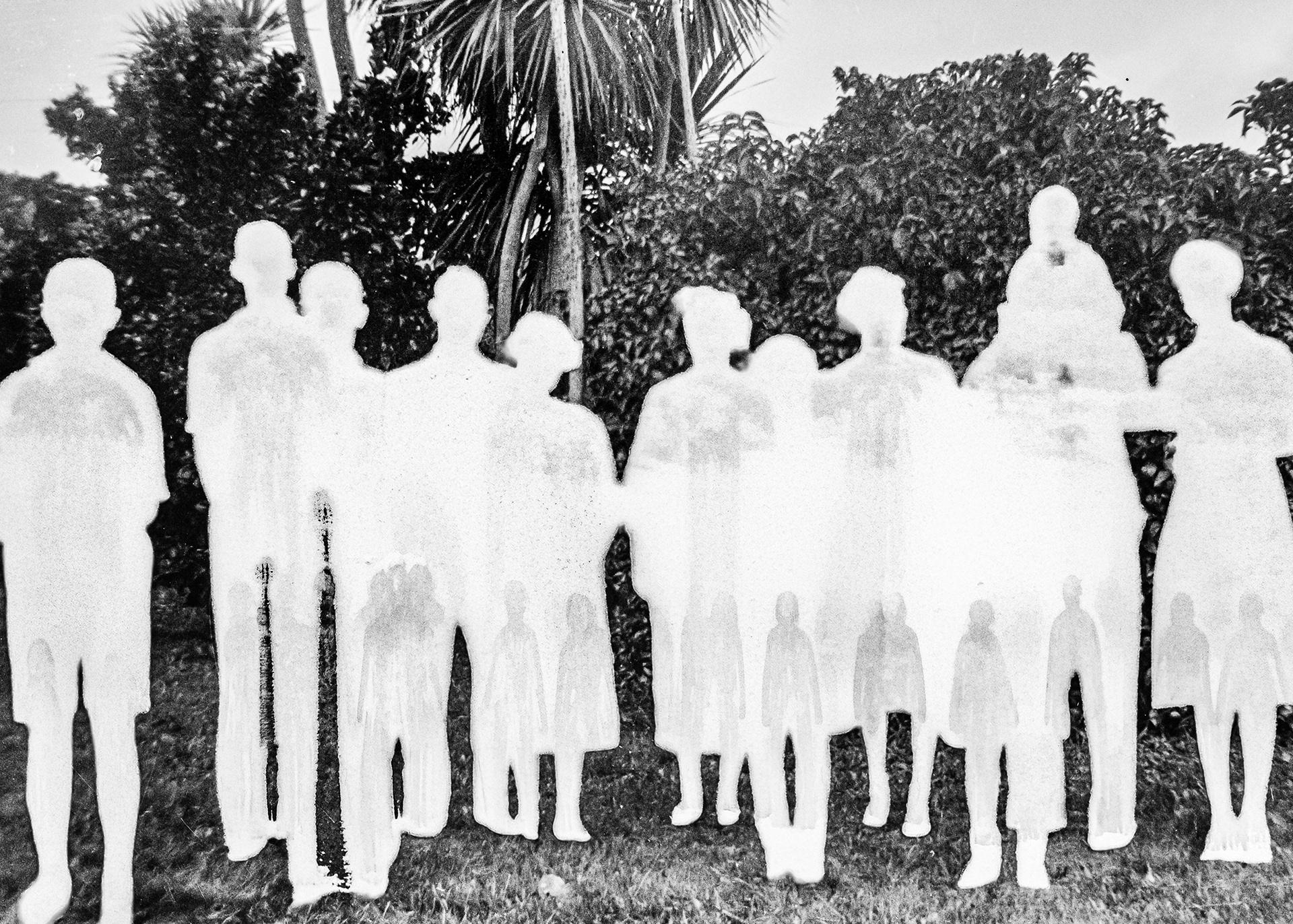
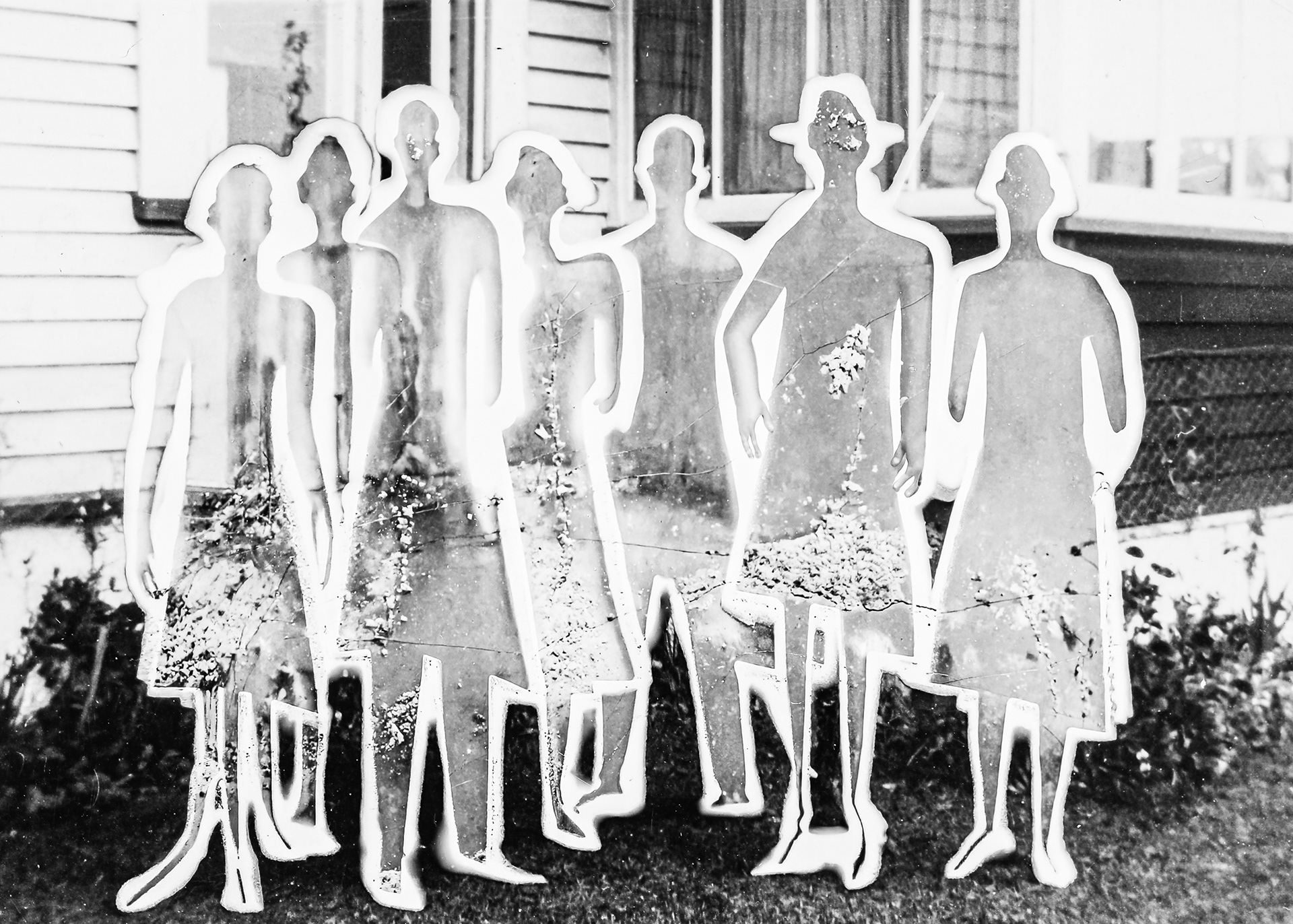
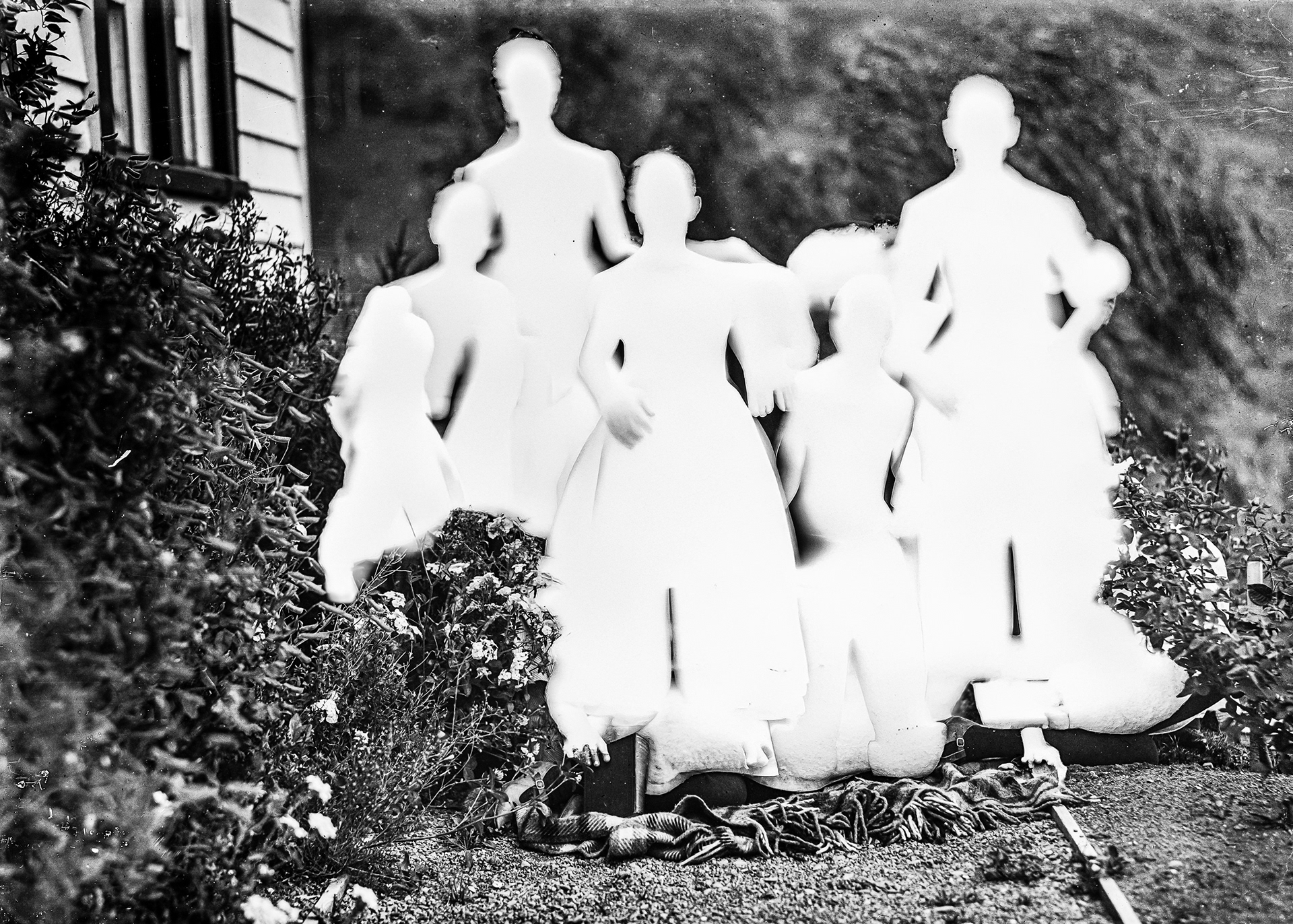
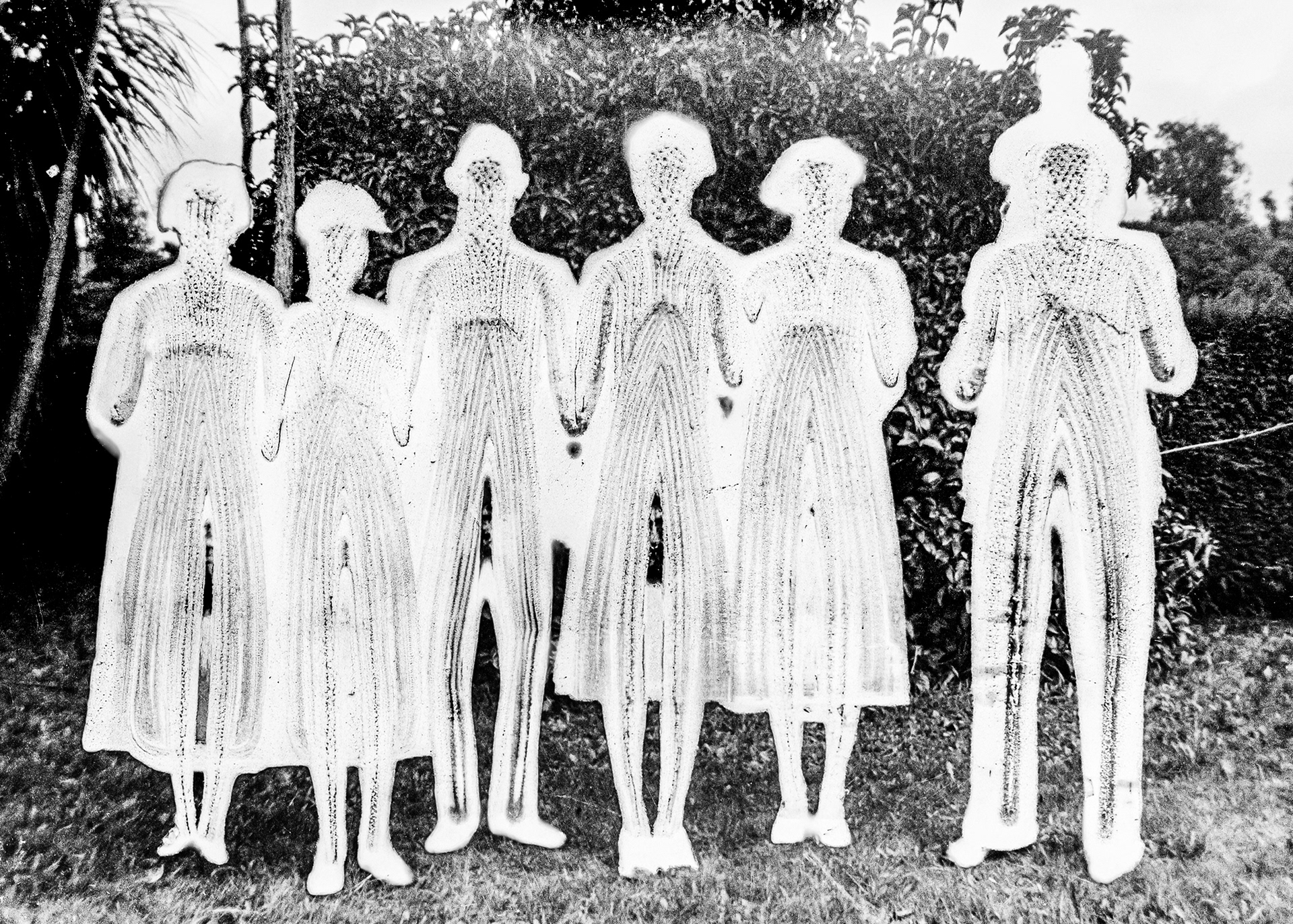
Vernacular photographs operate as primary storage devices for identity and collective memory. Over time, however, their metadata — names, genealogies, social contexts — undergo an irreversible process of data decay.
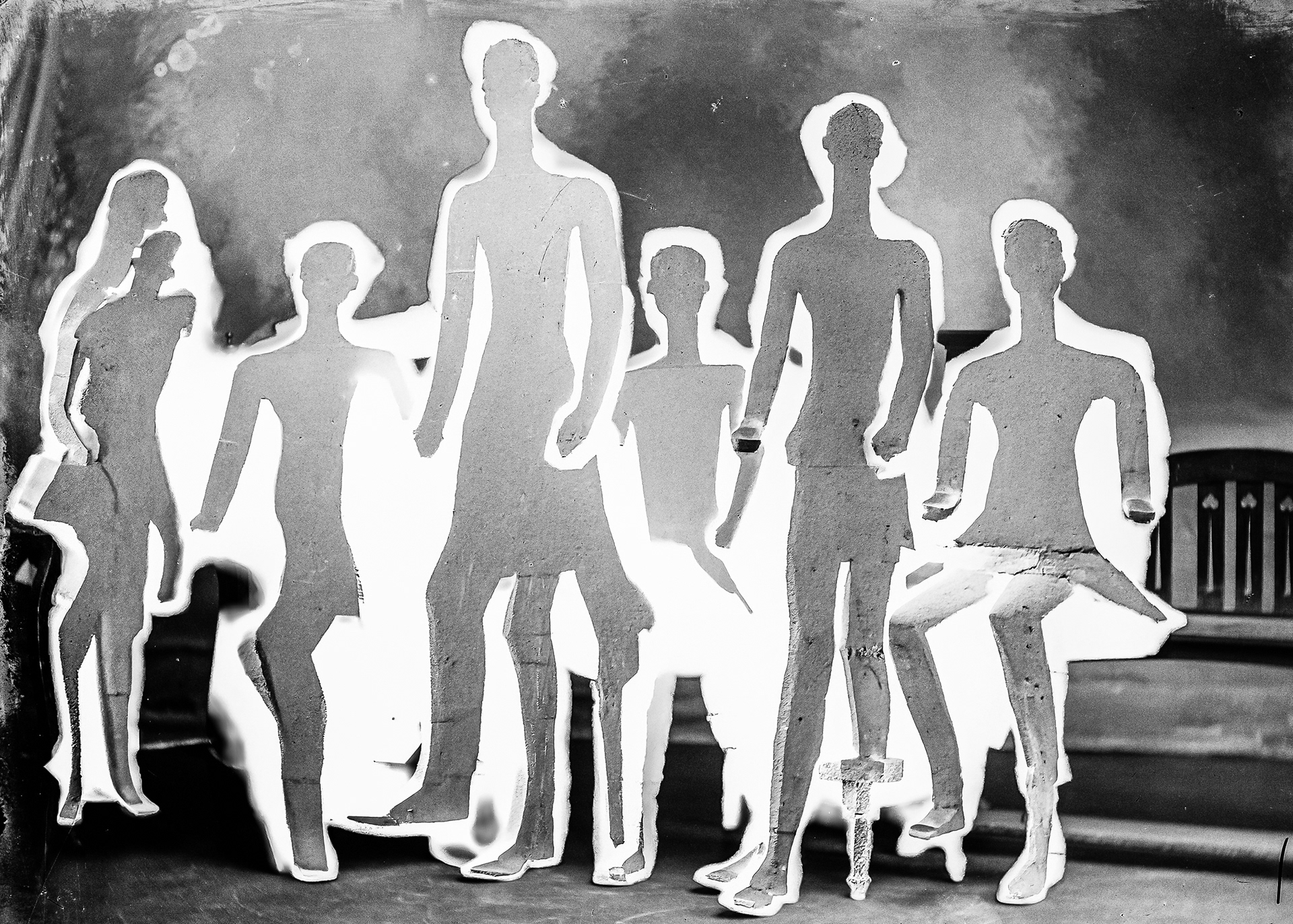
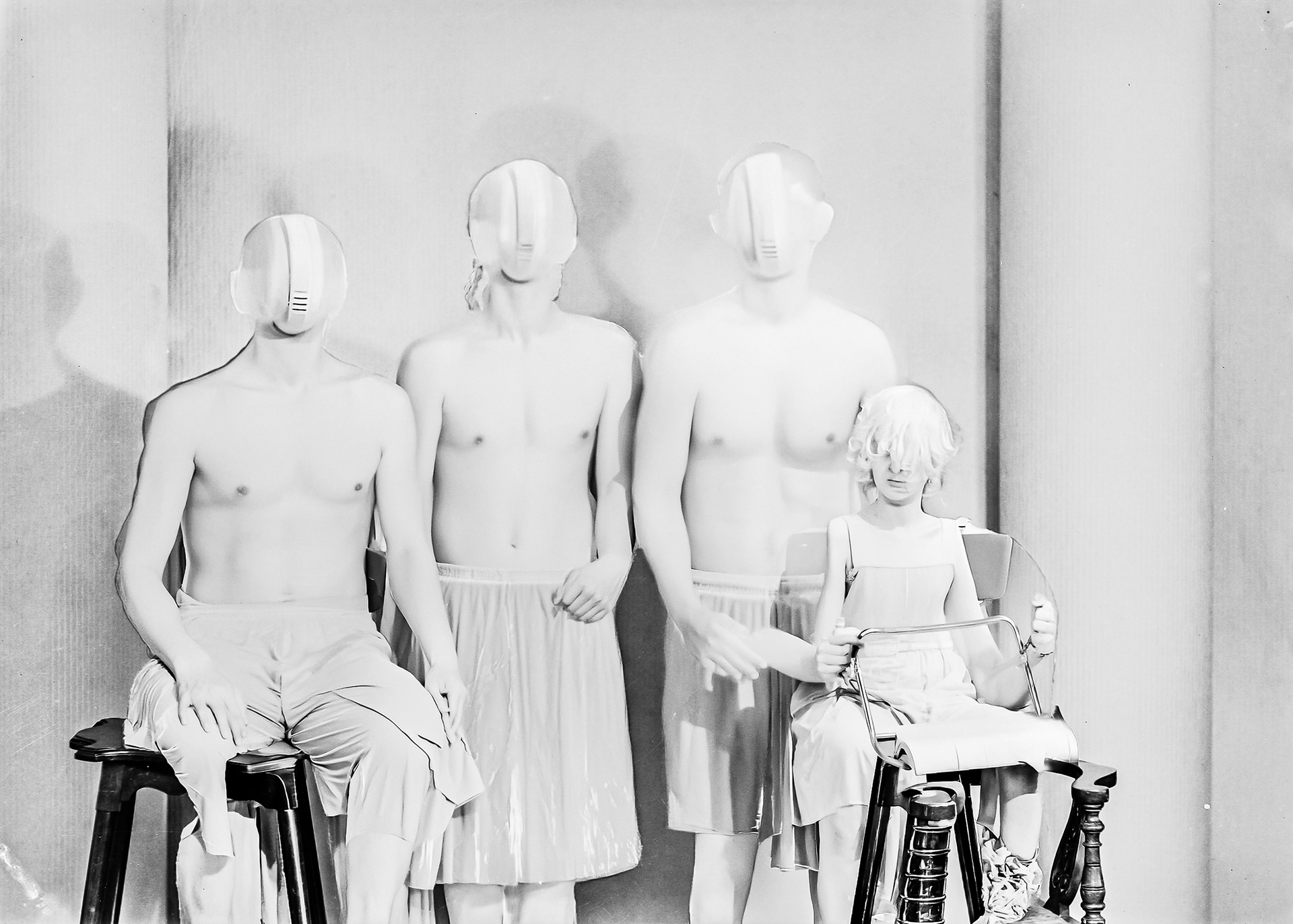
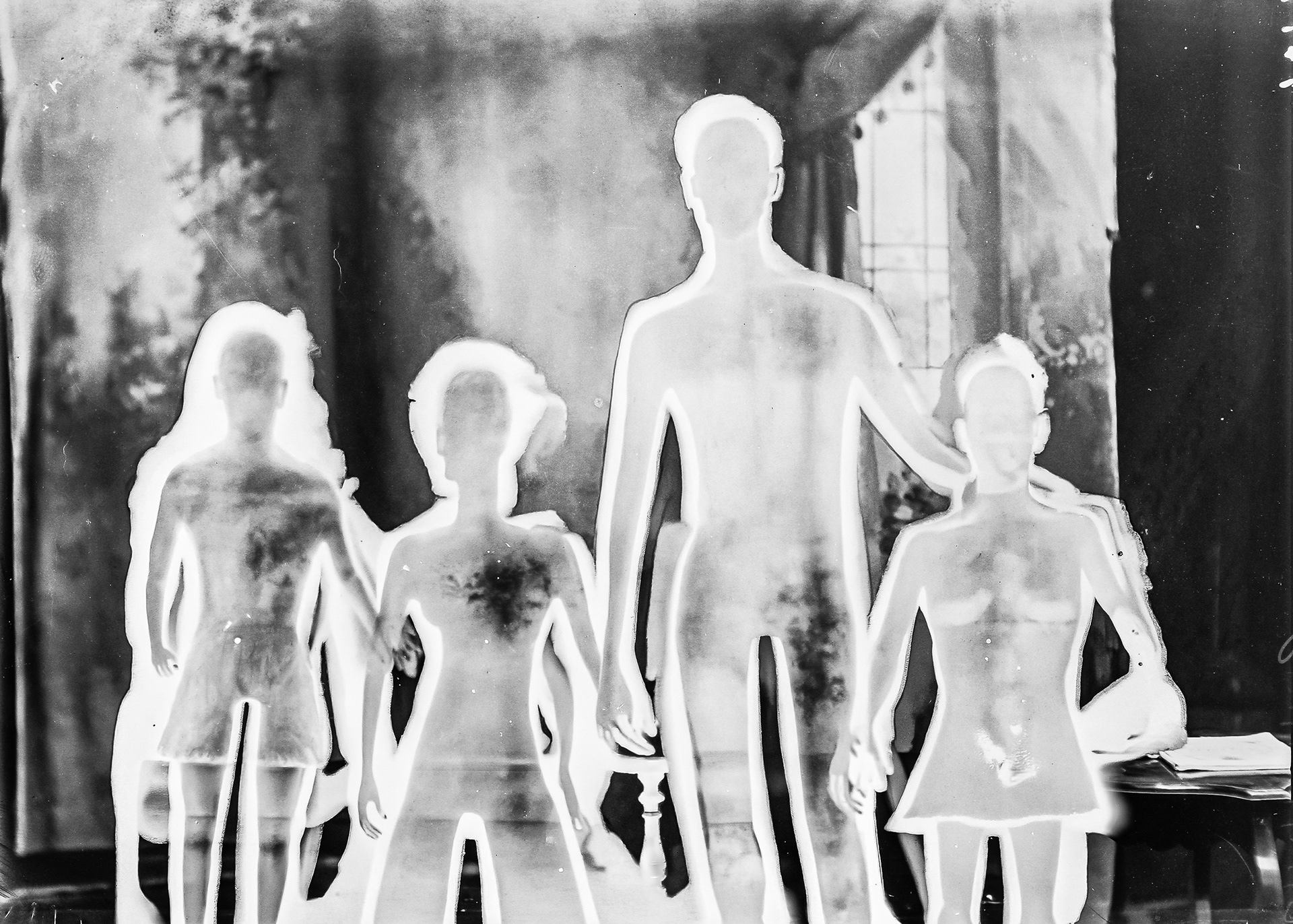
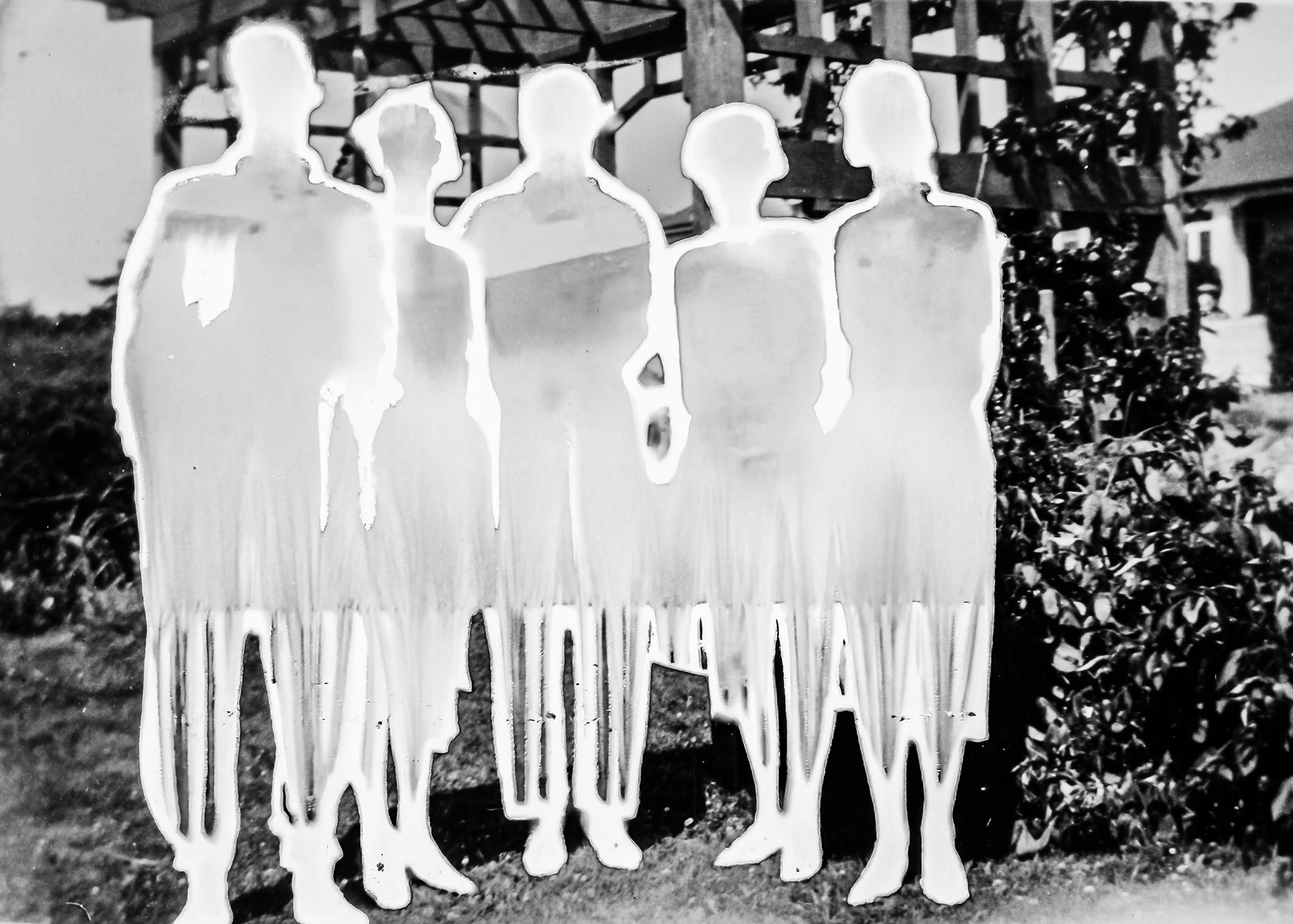
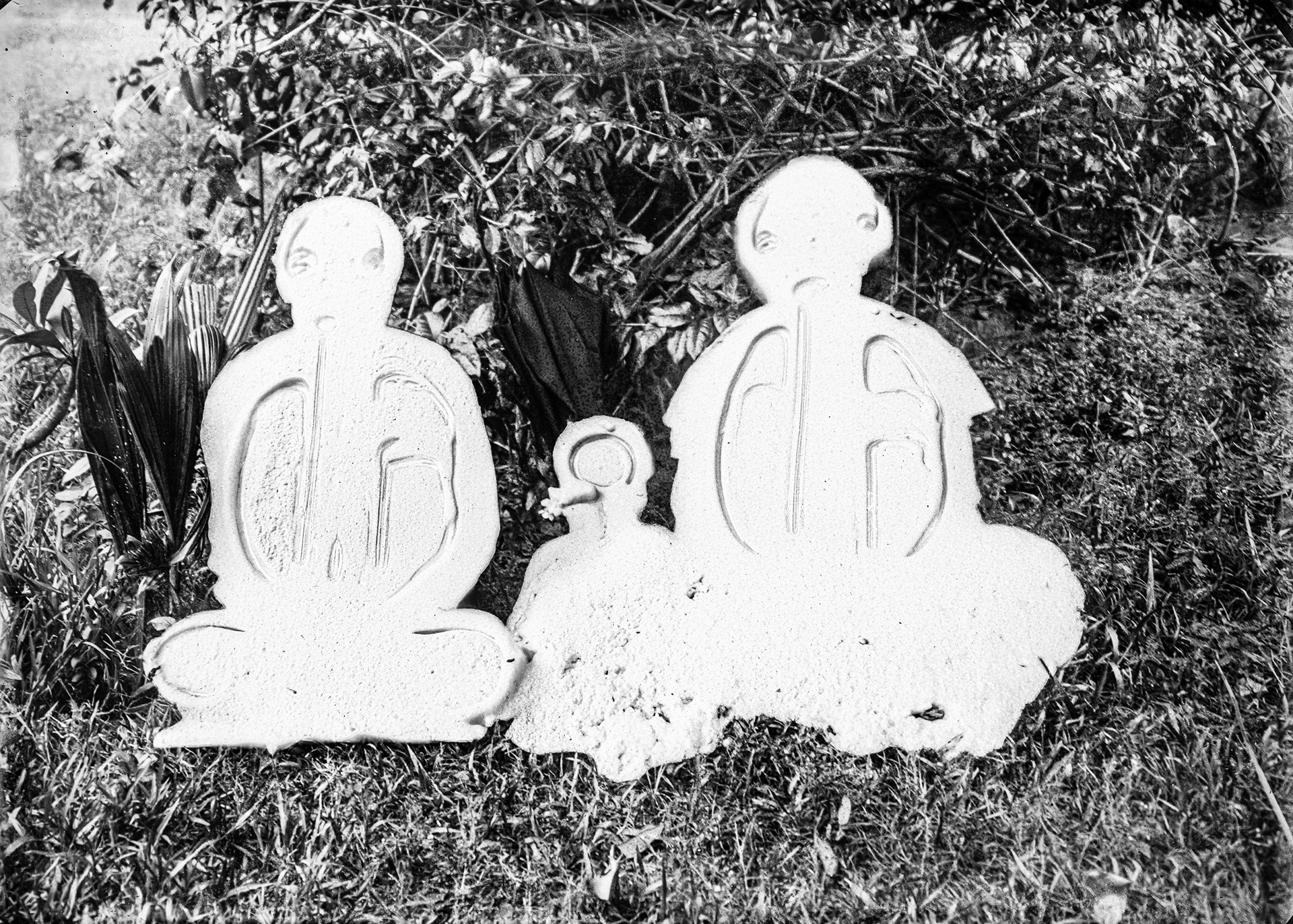
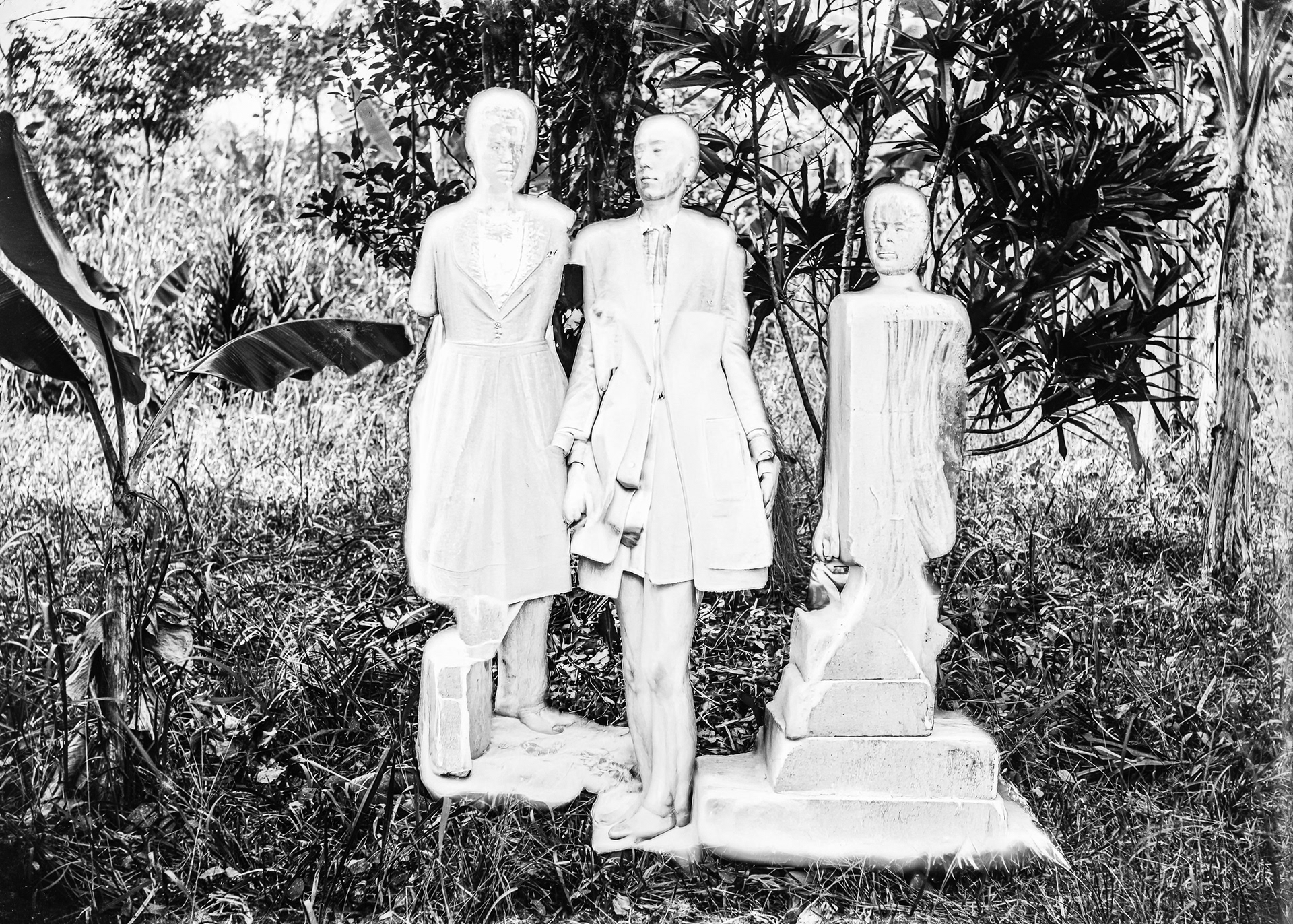
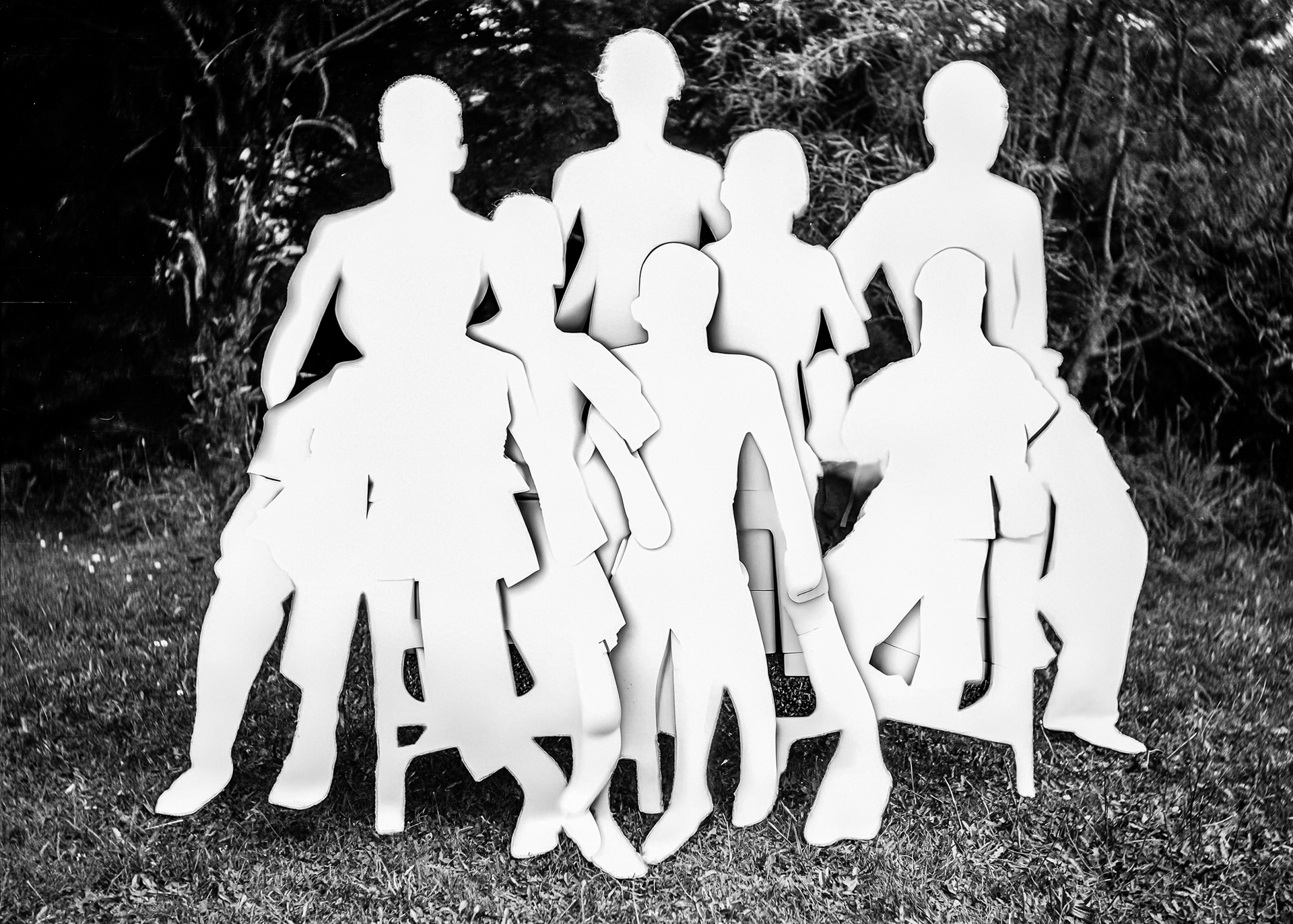
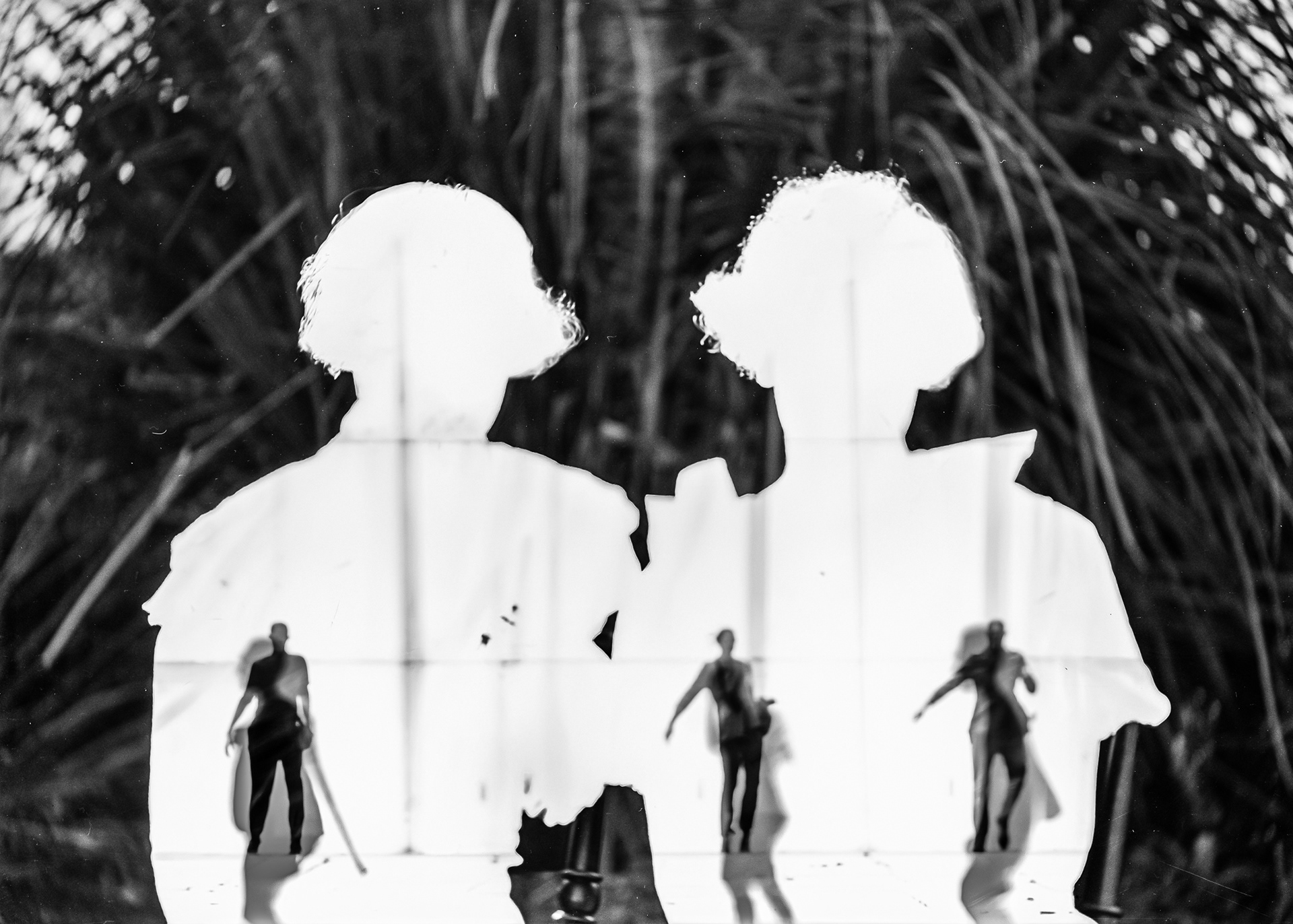
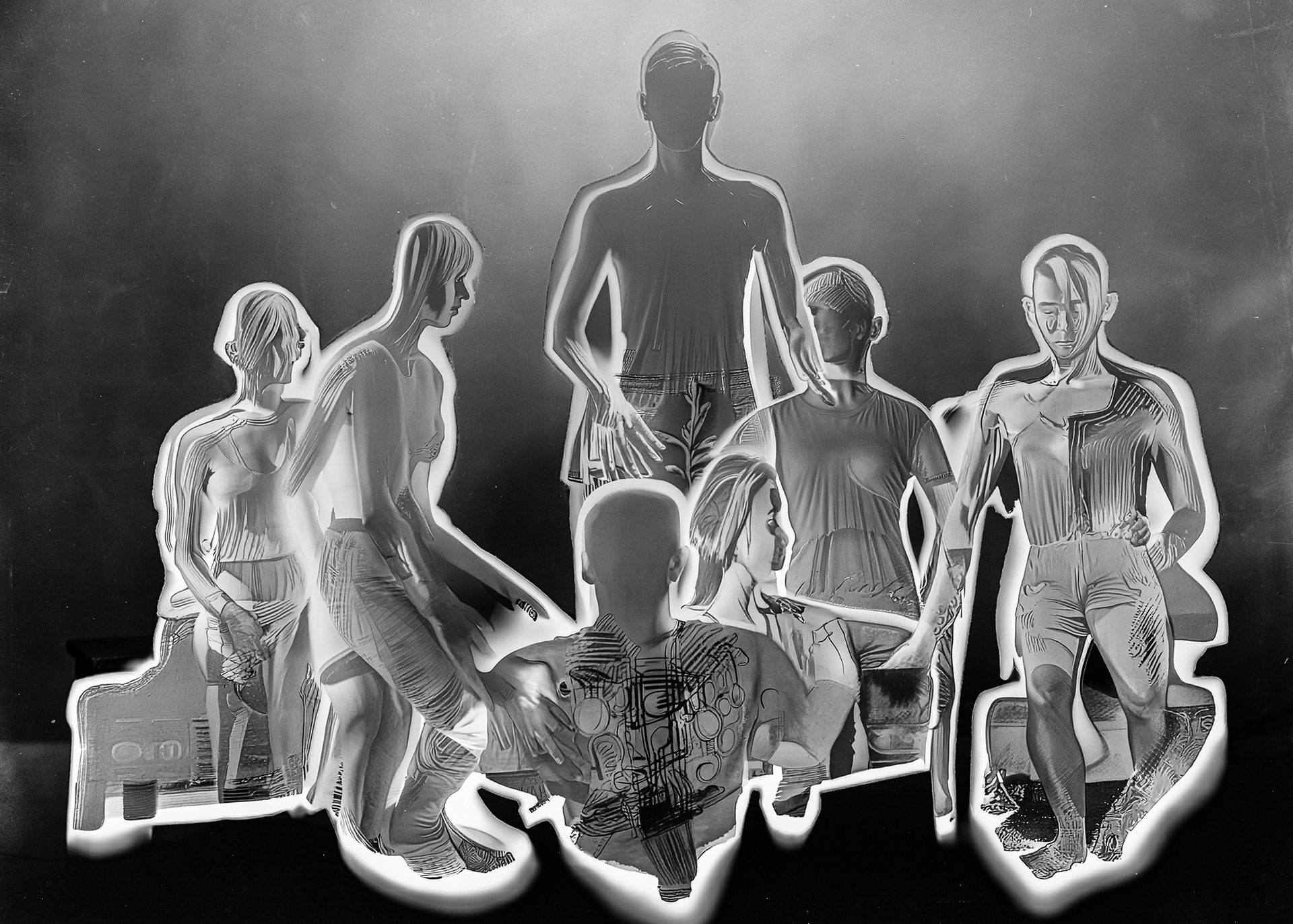
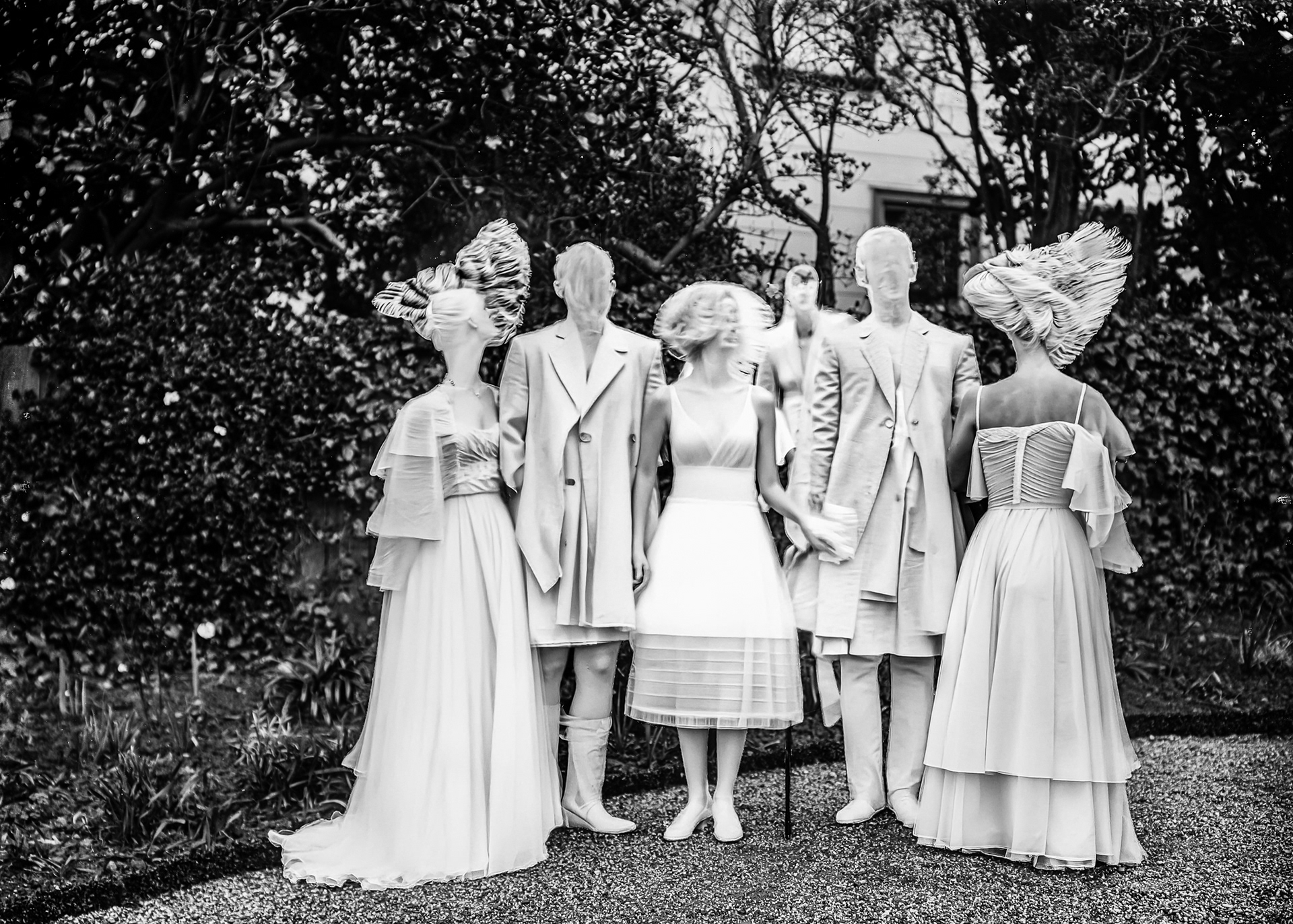
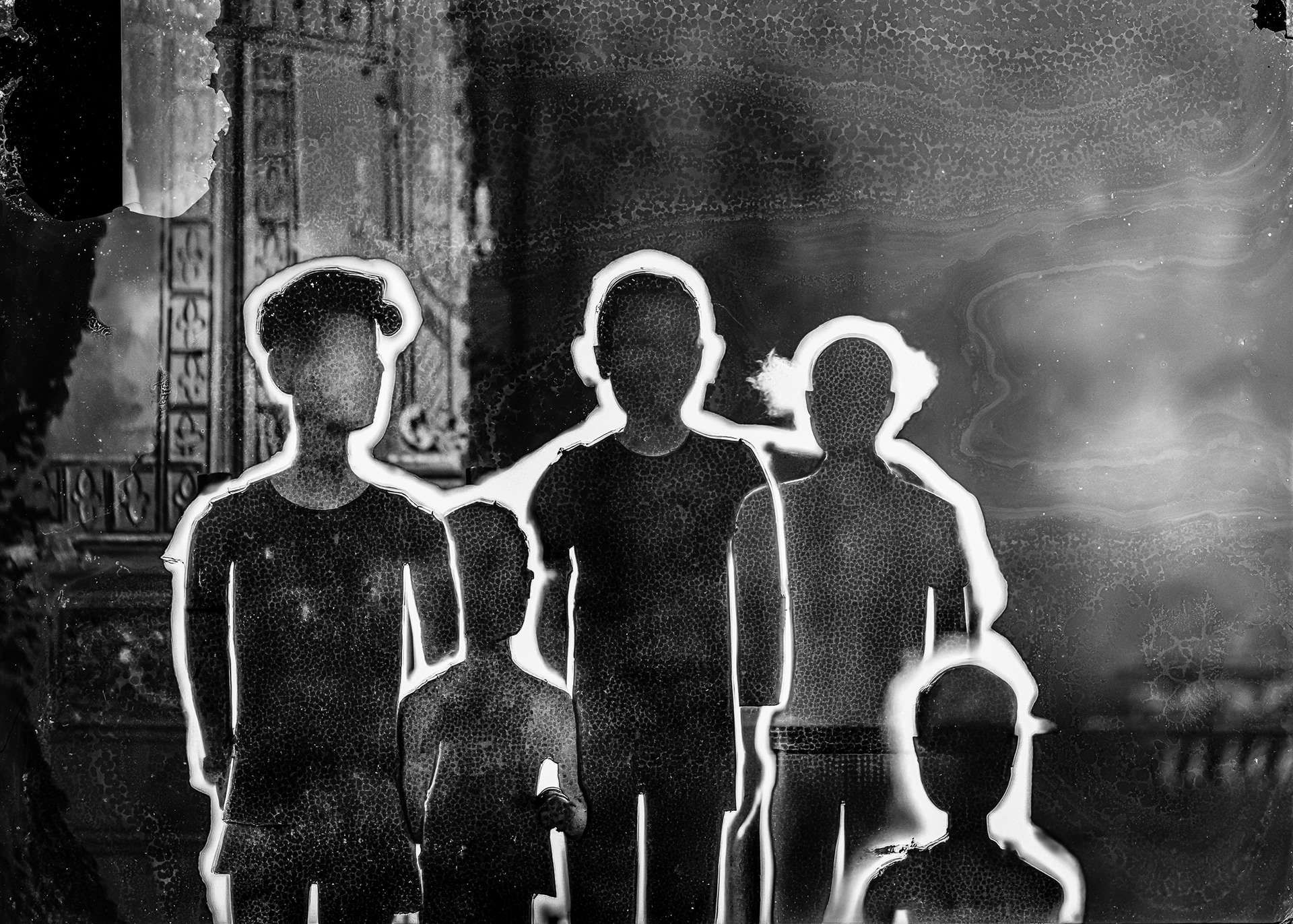
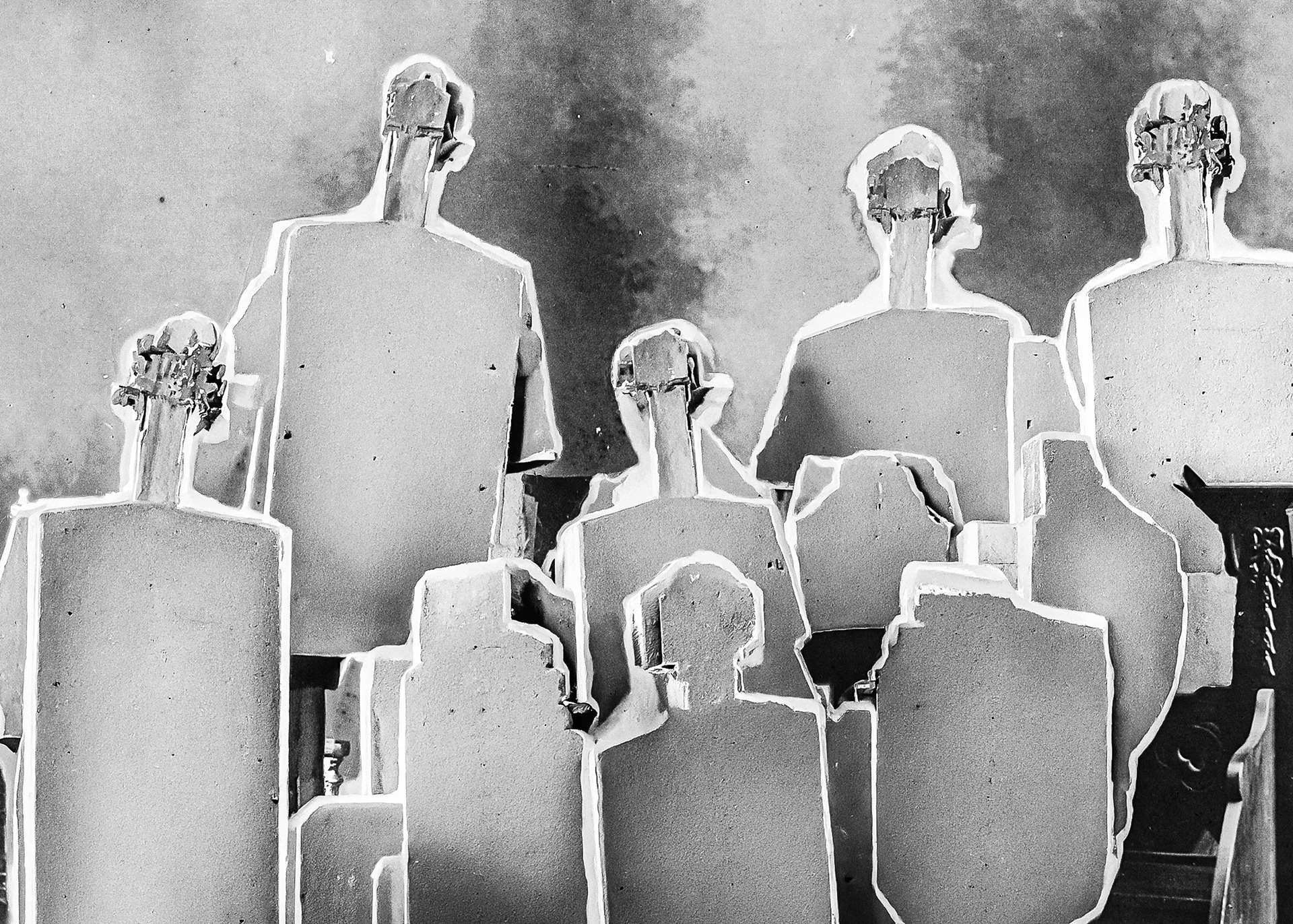
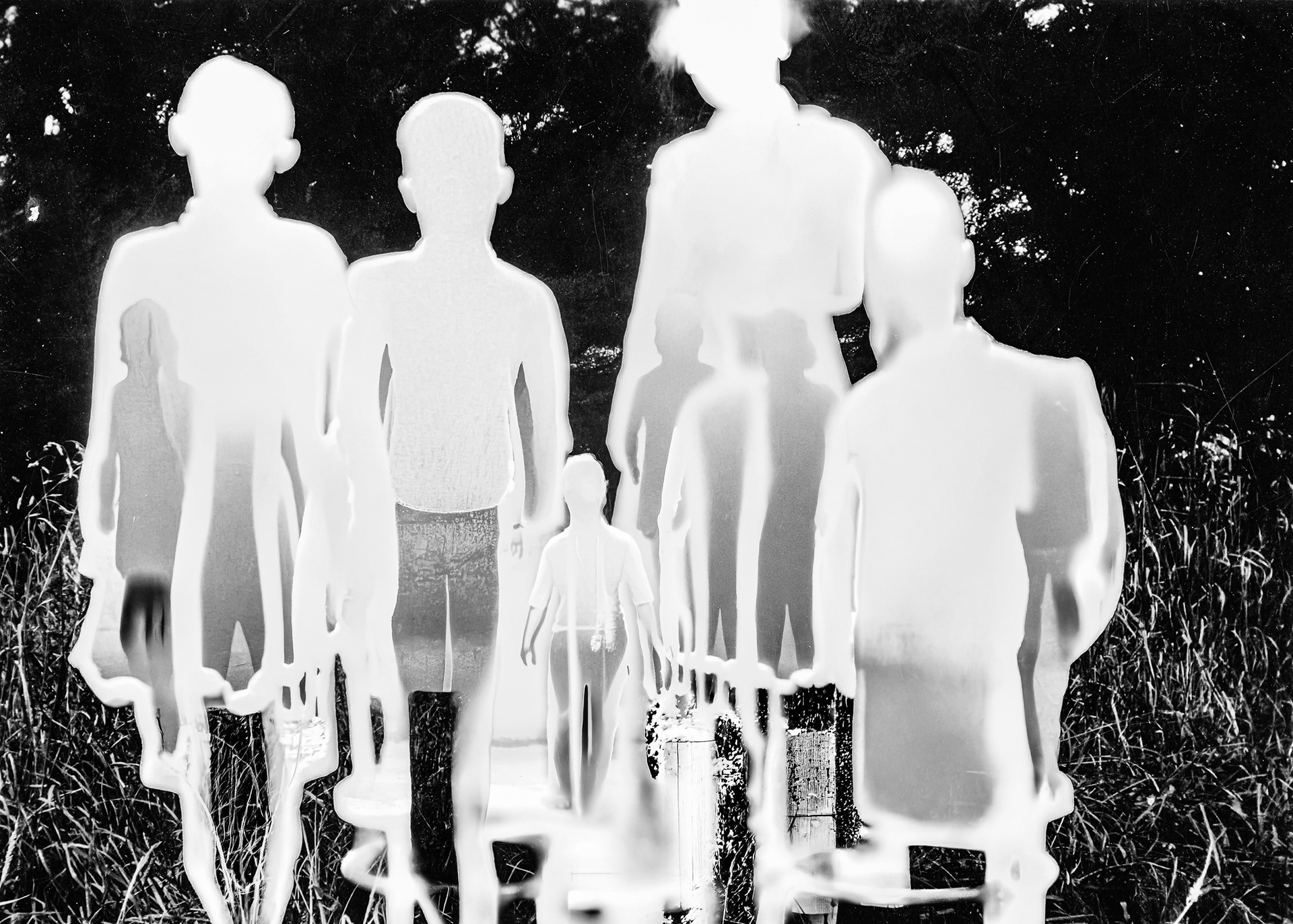
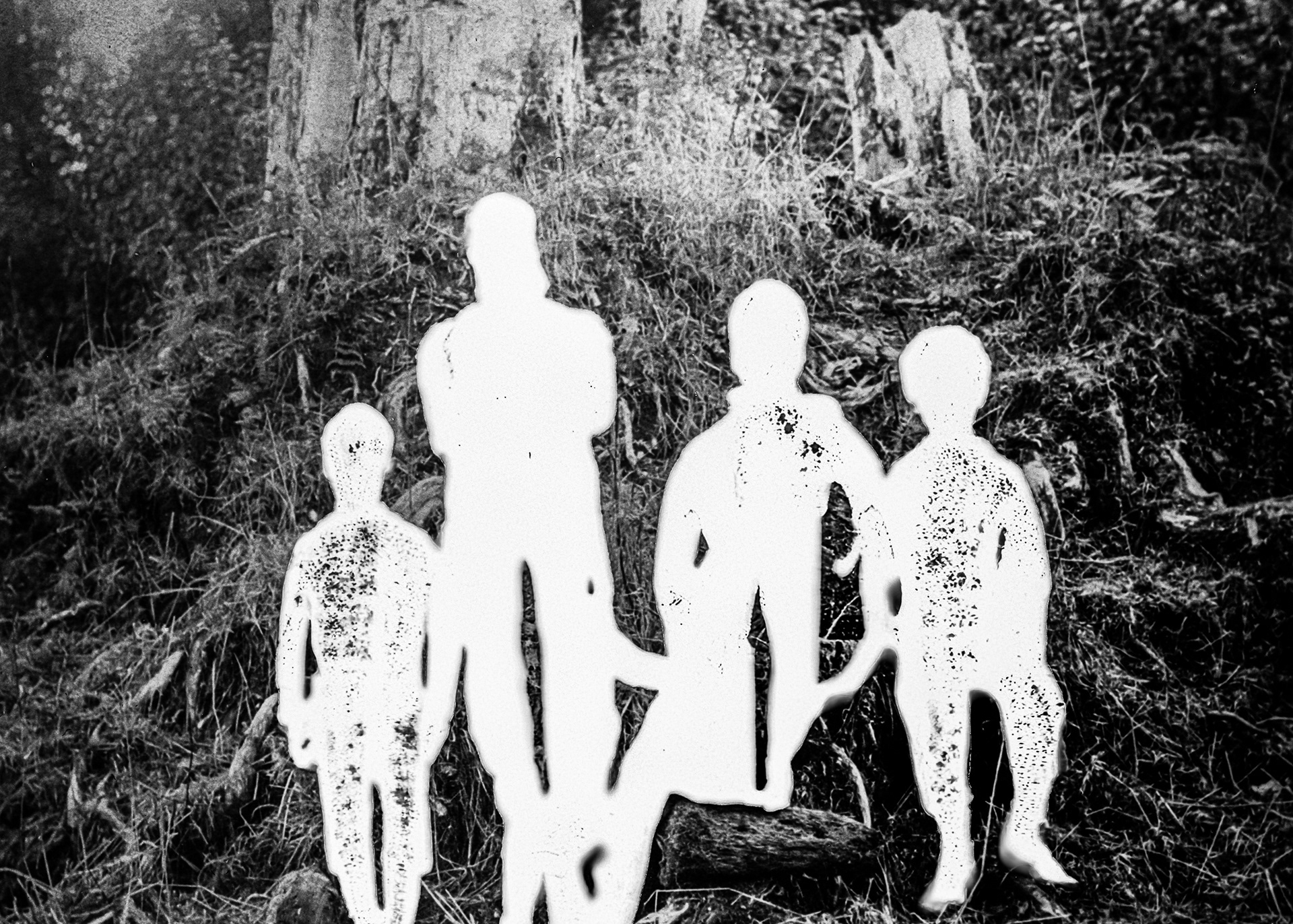
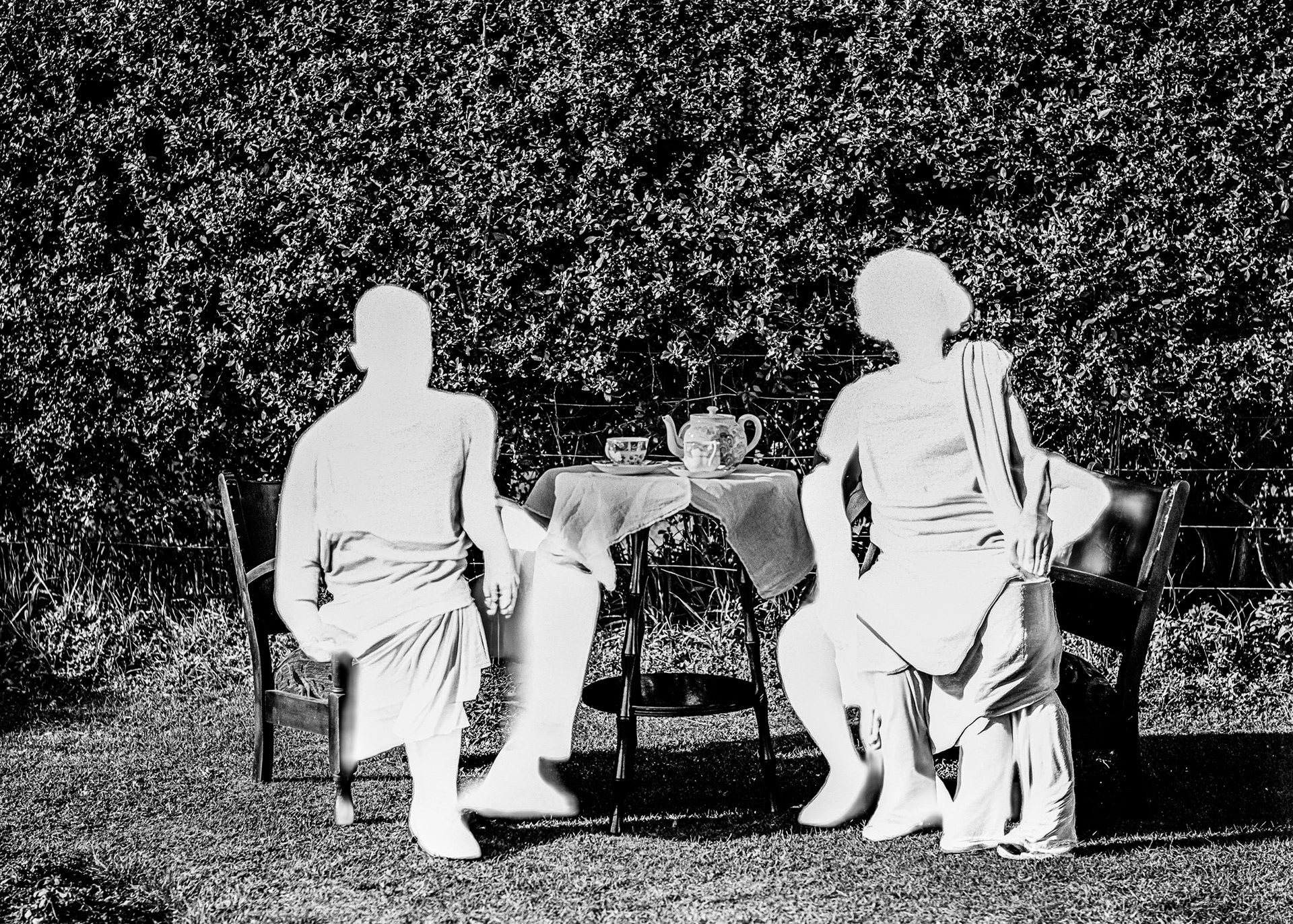
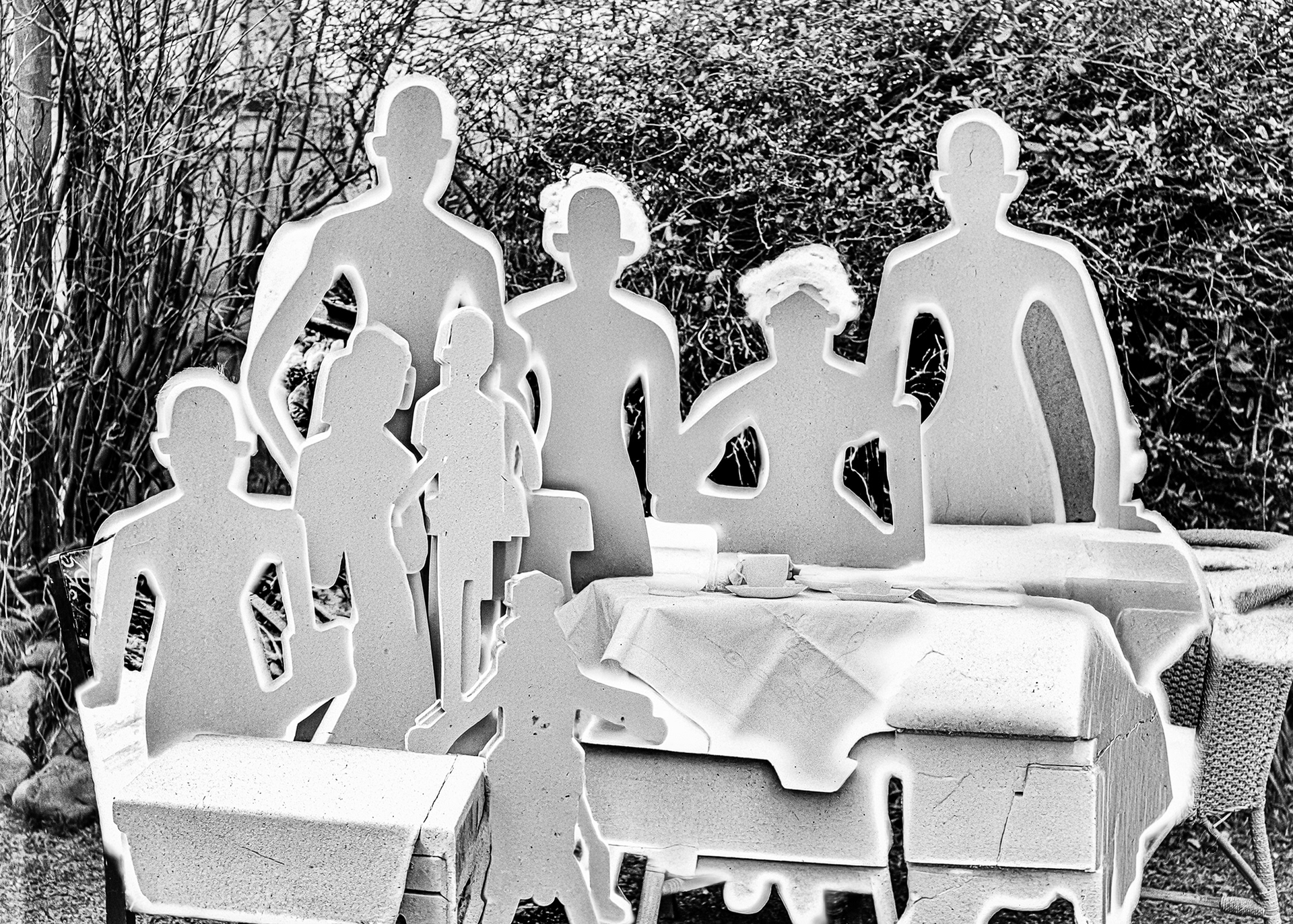
This project subjects 48 vintage family portraits to a strict protocol of algorithmic extraction. The systematic removal of the subjects does not symbolize physical death or romantic oblivion, but quantifies the exact loss of data necessary for their reconstruction. What remains on the photographic surface is not memory, but an incomplete trace: an excavation within the document.
Subjected to a generative fill process (AI), the system attempts to suture the surface based on purely spatial matrices. The resulting outputs — unstable, approximate, and divergent — do not represent a software failure, but the mathematical and forensic proof that the original information is permanently unrecoverable. The family album is thus disarmed and converted into a clinical inventory of human residues, where the synthetic anomaly becomes the only visible truth.